When we choose a broker, brokerage is only one part of the decision. We also need to understand the services included, the markets we can access, the quality of the trading platform and the support available when an order or account issue needs attention. A discount broker is a stockbroker that executes trades through an…
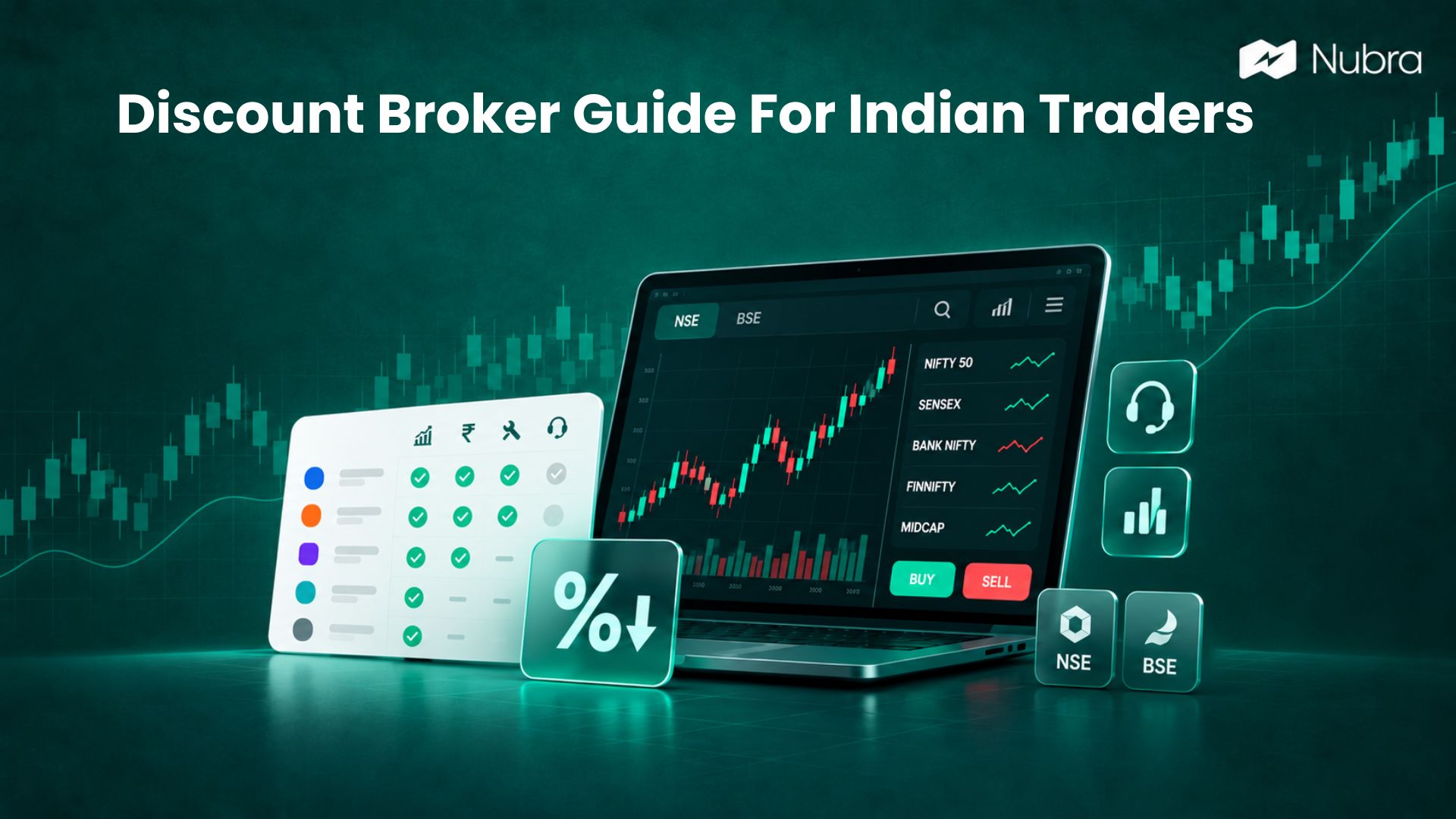
When we choose a broker, brokerage is only one part of the decision. We also need to understand the services included, the markets we can access, the quality of the trading platform and the support available when an order or account issue needs attention.
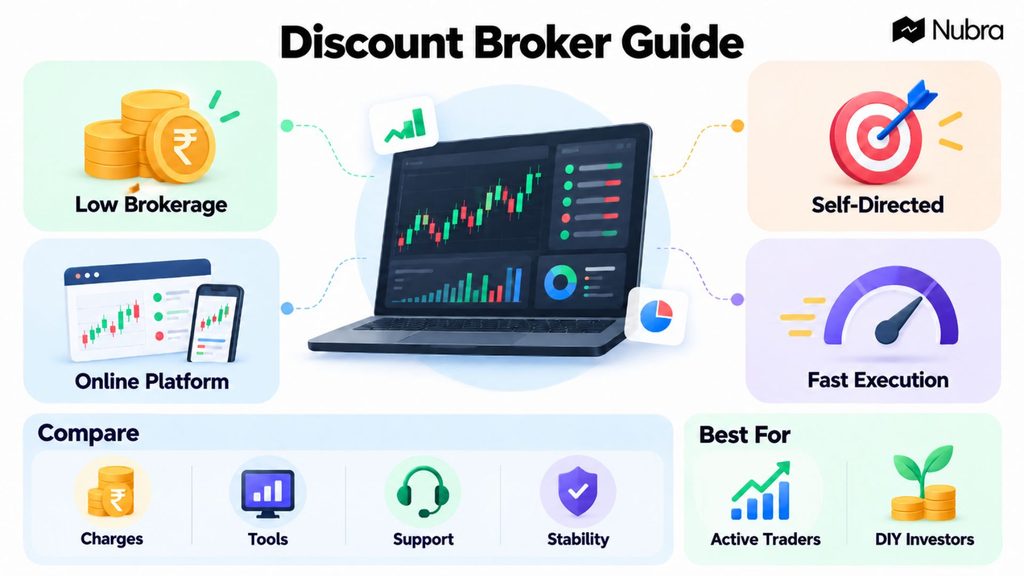
A discount broker is a stockbroker that executes trades through an online platform with a streamlined service model. It generally charges a flat or reduced brokerage compared with a traditional full-service broker. In return, we usually make our own trading decisions instead of receiving a dedicated relationship manager, portfolio guidance or personalised advice.
For self-directed traders, this model can make frequent order execution more economical. However, the right broker is not automatically the one with the smallest headline brokerage. We need to compare the complete cost, tools and service model against the way we trade.
How a Discount Broker Works
A broker connects our trading account to the stock exchanges and places buy or sell orders on our instructions. In India, we generally use three linked components: a bank account for funds, a trading account for placing orders and a demat account for holding eligible securities electronically. Our demat account guide explains how the demat side of this arrangement works.
Discount brokers operate primarily through websites and mobile applications. They focus on order execution, account access and trading tools, with limited individual financial planning or portfolio management.
The word discount describes the brokerage model, not the quality of every platform. Brokers with similar charges can still differ in charting, order types, support, stability, reporting and available instruments. We should verify these details before opening an account.
Discount Broker and Full-Service Broker Comparison
| Area | Discount broker | Full service broker |
| Core model | Digital, self-directed order execution | Order execution with a wider service and advisory model |
| Brokerage | Often flat or reduced | May be percentage-based or bundled with other services |
| Advice | Usually limited or separate | May include research, relationship support or advisory services |
| Trading tools | Varies by platform | Varies by broker and service plan |
| Best fit | Traders comfortable making their own decisions | Clients who want more direct assistance or financial guidance |
Neither model suits everyone. If we need personalised financial planning or regular human guidance, a full-service broker may be more appropriate despite the higher service cost. If we already have a defined process and mainly need reliable execution, useful analysis tools and transparent charges, a discount broker may fit better.
This choice does not replace due diligence. We should confirm that the broker is properly registered, read the account documents and understand how complaints and support requests are handled.
The Charges We Need to Compare
Headline brokerage does not show the complete cost of a trade. Depending on the segment and transaction, our contract note may also include statutory levies, exchange transaction charges, GST, stamp duty and other applicable charges. Demat account charges, annual maintenance charges, call-and-trade fees, pledging charges or paid add-ons may also affect the total.
A simple example shows why this matters. Suppose a plan charges ₹20 per executed order. A buy order and a later sell order would create ₹40 in brokerage before taxes and other charges. If we place several entries and exits, the number of executed orders matters more than the value of one position.
Before comparing brokers, we should use the same hypothetical trade for each rate card and include every listed charge. Nubra publishes its current structure on the Nubra pricing page. Because charges can change, the latest official rate card should always take priority over an older article or screenshot.
How We Choose a Discount Broker
We can start with the instruments and segments we actually trade. An equity investor, an intraday trader and an F&O trader may need different order types, data and analysis tools. Features we do not use should not distract us from the daily trading process.
Execution and reliability deserve the same attention as brokerage. We should check support channels and access to contract notes, statements and charge details, then assess how the platform behaves during busy market periods.
For options trading, we also need to inspect the analysis workflow. The Nubra Option Chain displays strike-level information for reviewing an expiry. The Nubra Strategy Builder lets us compare multi-leg payoff scenarios, while Nubra Charts help us study price structure. These tools support analysis and planning; they do not predict the market or guarantee a profitable trade.
Costs still belong inside the trade plan. Our guide to the risk reward ratio explains why brokerage, taxes and possible execution differences should be considered when we compare planned risk with potential reward. Traders building options knowledge can also use our options trading guide and strategy builder guide alongside the platform tools.
Who May Find a Discount Broker Suitable
A discount broker may suit us when we can research independently, place our own orders and review our account activity. It may be less suitable when we need regular financial planning, investment advice or extensive assistance with each decision.
Whichever model we choose, we should secure our login details, review statements and contract notes, and question unexplained charges promptly. A broker provides market access and tools; the trading decision remains our responsibility.
FAQs
What Does a Discount Broker Do
A discount broker executes our buy and sell orders through a trading platform, usually with a streamlined service model. Personalised advice and financial planning are generally limited or offered separately.
Is a Discount Broker Suitable for Beginners
It can be, provided we understand the platform, charges and risks and do not expect the broker to make decisions for us. A new trader may value clear education and responsive support as much as the brokerage plan.
Is a Discount Broker the Same as a Zero Brokerage Broker
No. Discount broker describes the service model. A zero-brokerage offer may apply only to a particular segment or plan. We should read the current rate card and check every applicable charge.
What Should We Check Before Opening an Account
We should verify registration details, supported segments, the full charge structure, platform reliability, support options, statements, security controls and the tools relevant to our trading process.
Disclaimer: The information provided in this blog is for educational and informational purposes only and should not be construed as investment advice, financial advice, or a recommendation to buy, sell, or hold any securities or financial products. Investments in the securities market are subject to market risks. Please read all related documents carefully before investing. Readers should conduct their own research and consult a SEBI-registered investment adviser or other qualified financial professional before making any investment decisions. Past performance is not indicative of future results.