Engineering Blogs
Technical deep dives from the Nubra engineering team. Infrastructure, performance, automation, and the craft of building reliable trading systems.
54 articles
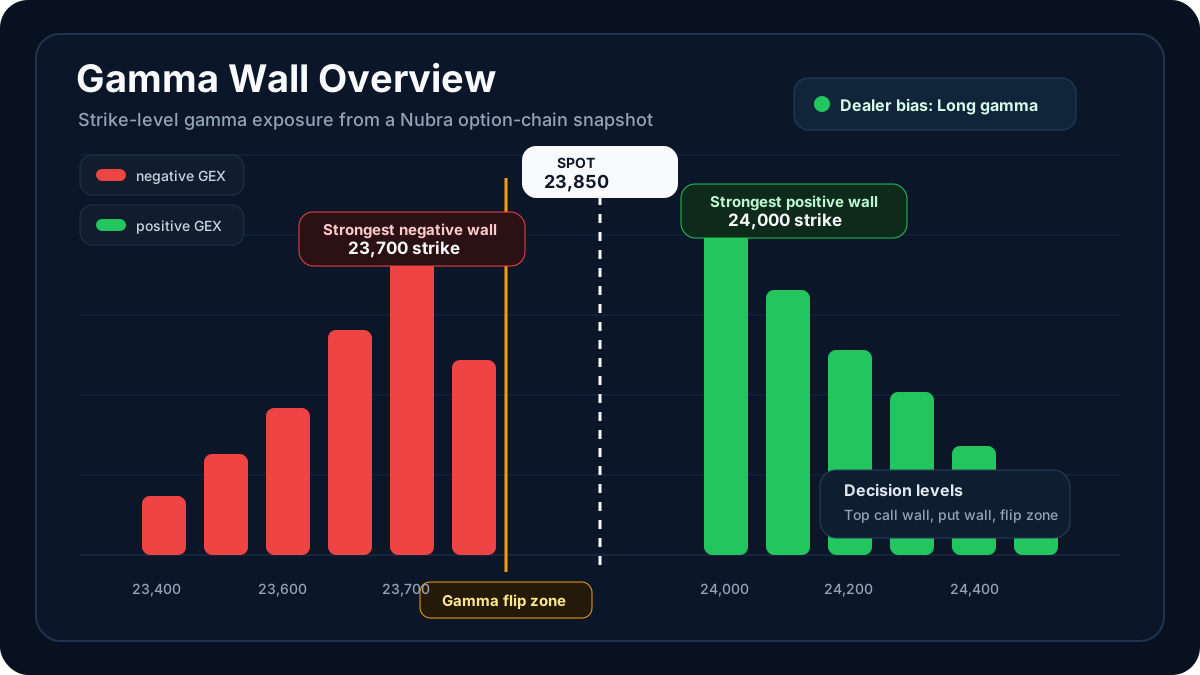
Mapping Gamma Exposure with gamma-wall
A practical guide to using gamma-wall to turn Nubra option-chain snapshots into strike-level gamma exposure, gamma flip zones, dealer bias, and clean terminal-ready decision levels.
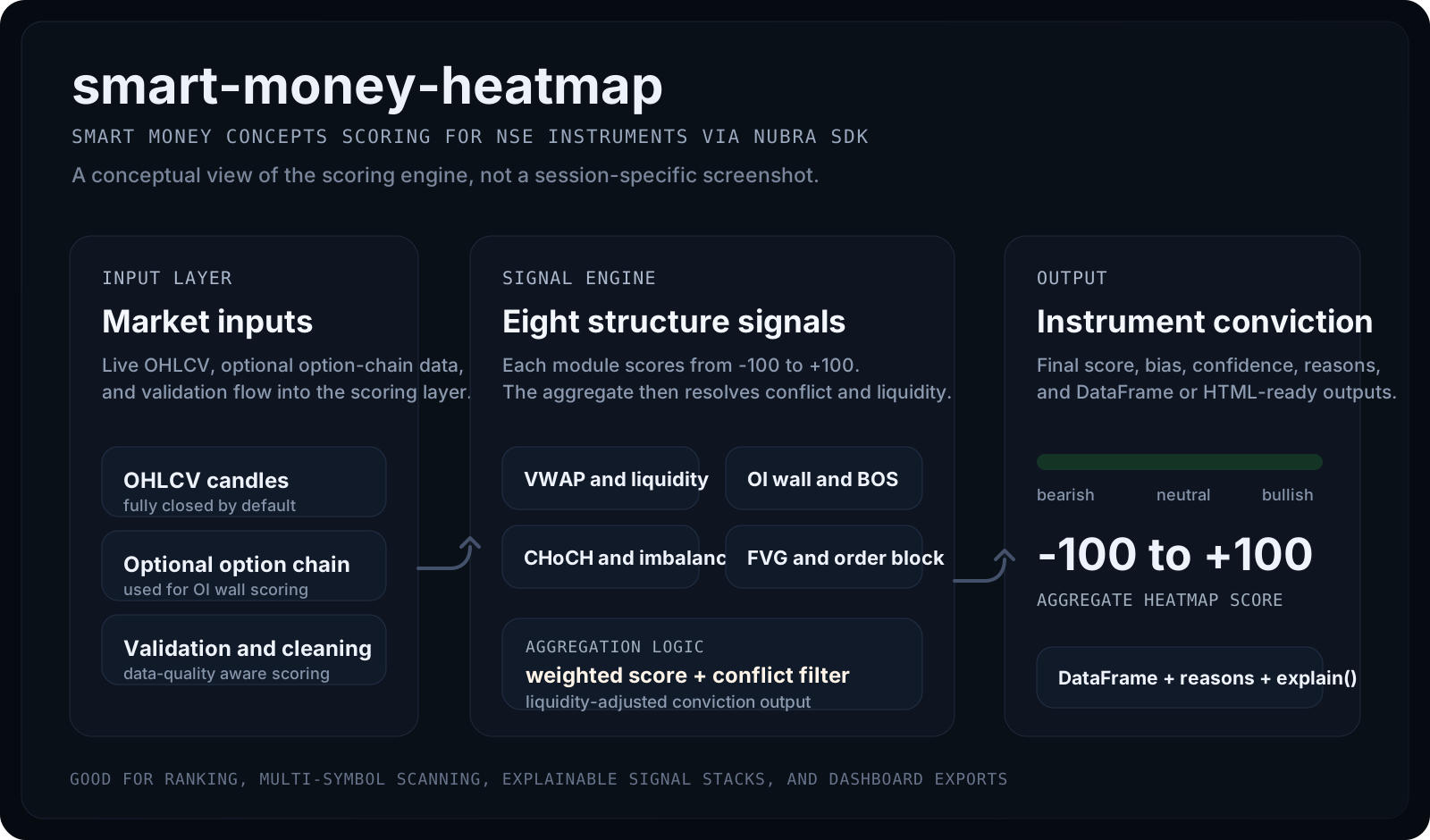
Scoring Market Structure with smart-money-heatmap
A practical guide to using smart-money-heatmap to score NSE instruments across eight Smart Money Concepts signals, combine them into a single conviction reading, and inspect the reasoning behind every bullish, bearish, or neutral call.
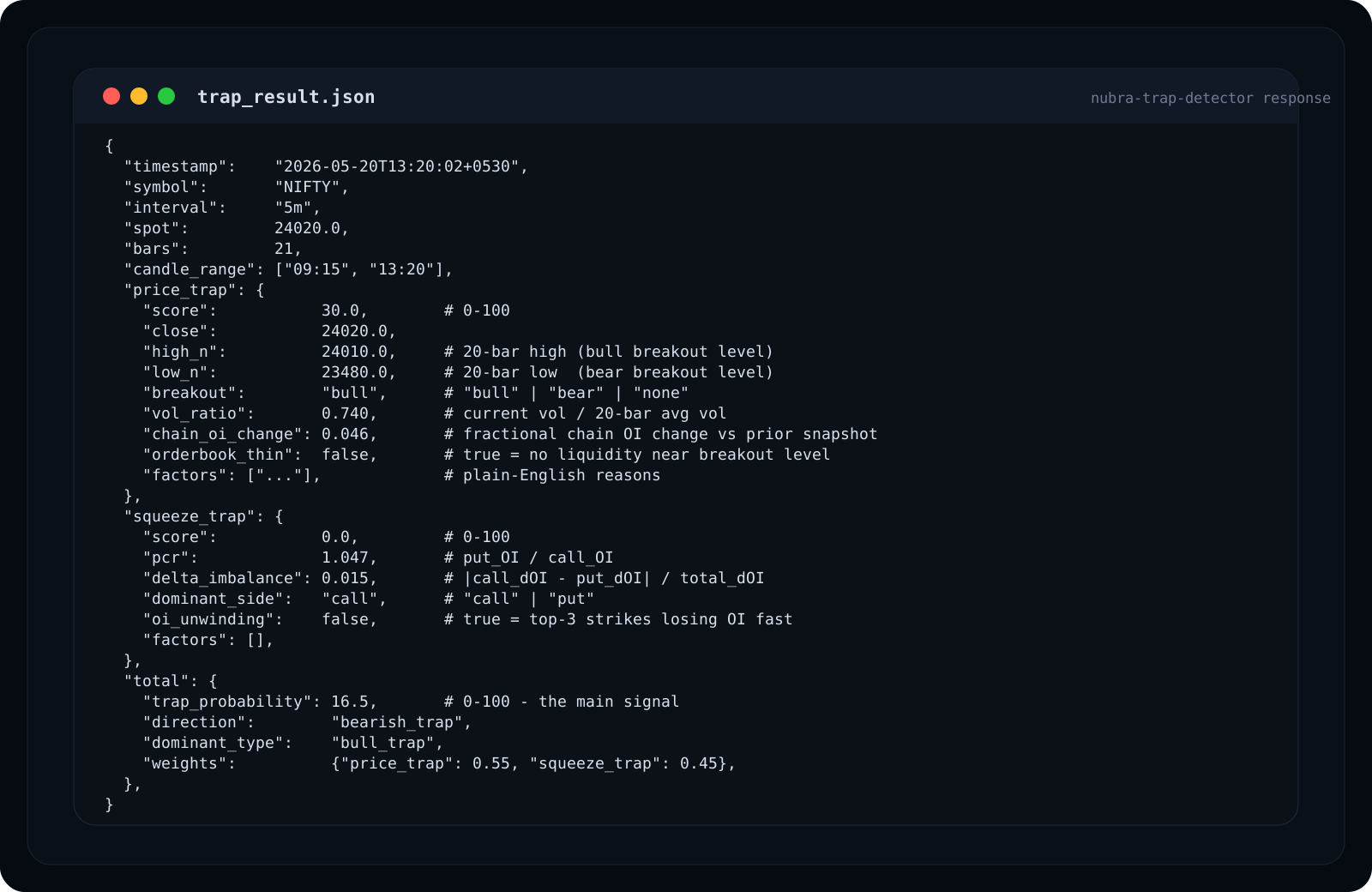
Detecting Bull Traps and Squeezes with nubra-trap-detector
A practical guide to using nubra-trap-detector to monitor NIFTY and BANKNIFTY for bull traps, bear traps, short squeezes, and long squeezes by combining price action, options-chain context, and callback-driven monitoring on top of the Nubra SDK.
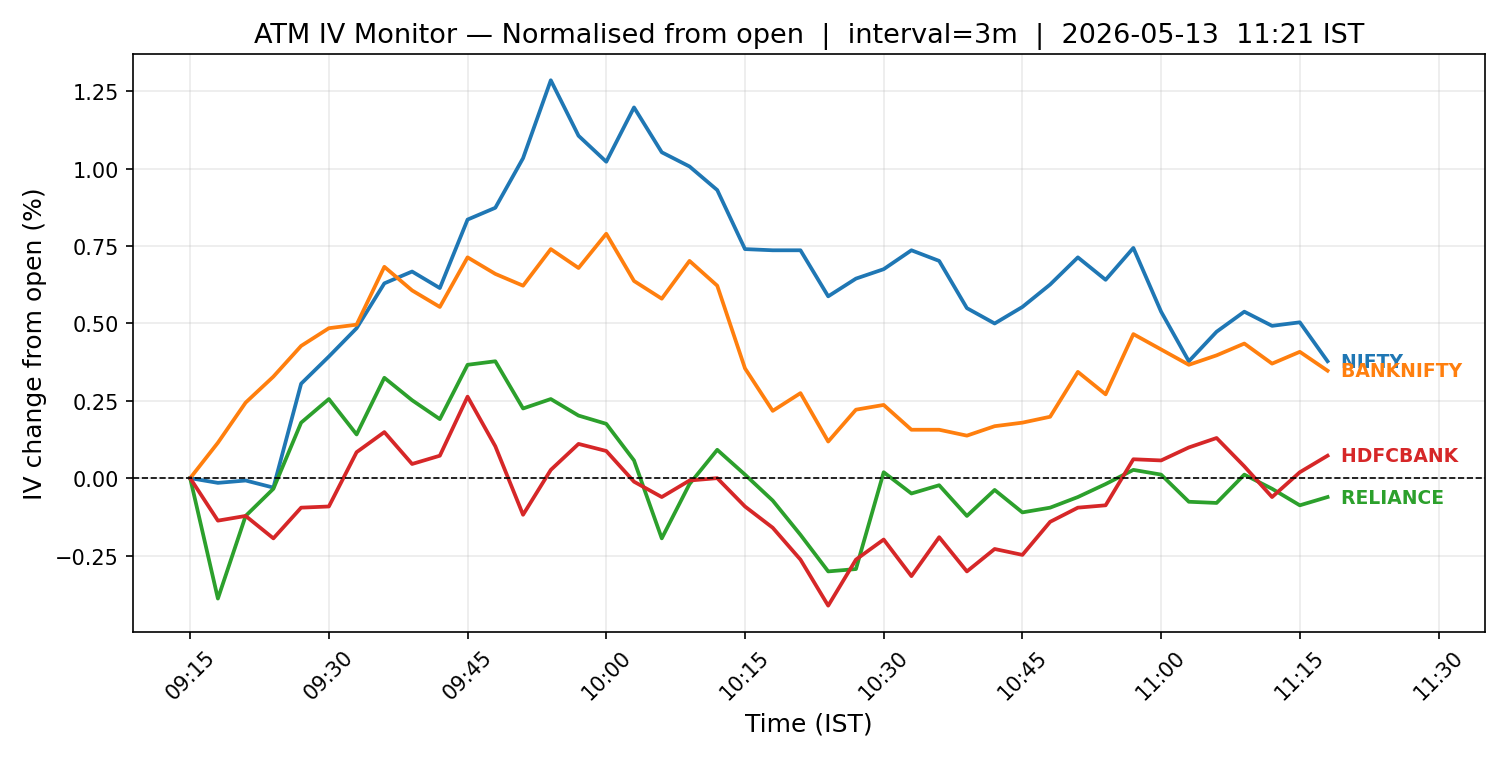
Tracking Intraday ATM Volatility with nubra-iv-monitor
A practical guide to using nubra-iv-monitor to track at-the-money implied volatility across multiple underlyings, compare IV moves from the market open, and build callback-driven volatility workflows on top of the Nubra SDK.
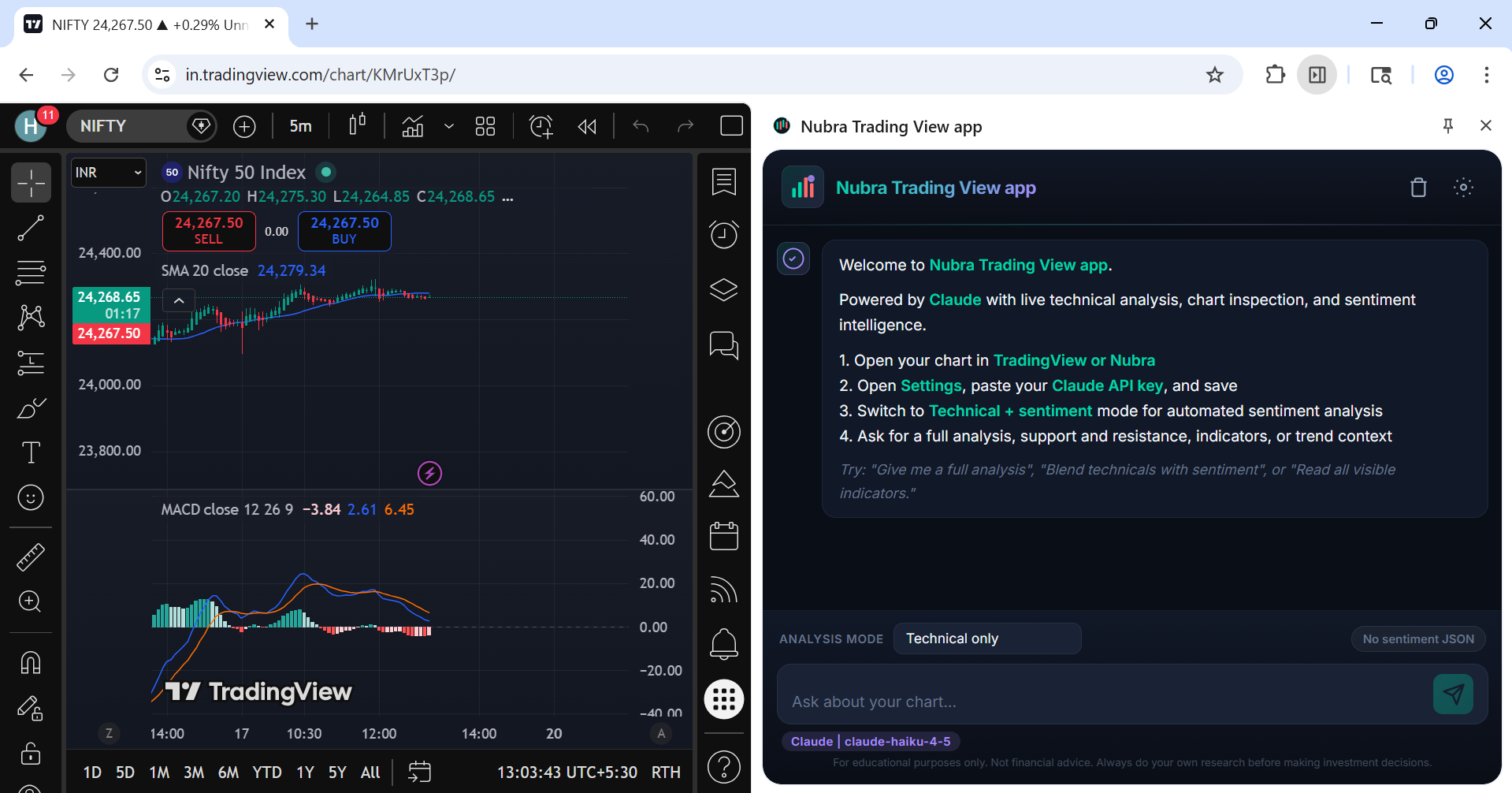
Nubra TradingView Extension: AI-Powered Technical Analysis Directly on Your Live Chart
A practical look at how the Nubra TradingView Extension combines live chart reading, Claude-powered technical analysis, and built-in market sentiment to turn TradingView into an interactive research workspace.

Nubra Engineering
Auto cover
Nubra APIs: Build Beyond The Trading App
Nubra APIs: Build Beyond The Trading App
Nubra APIs let traders, researchers, and builders move beyond standard broker interfaces to create custom dashboards, automated strategies, execution systems, and market intelligence workflows.
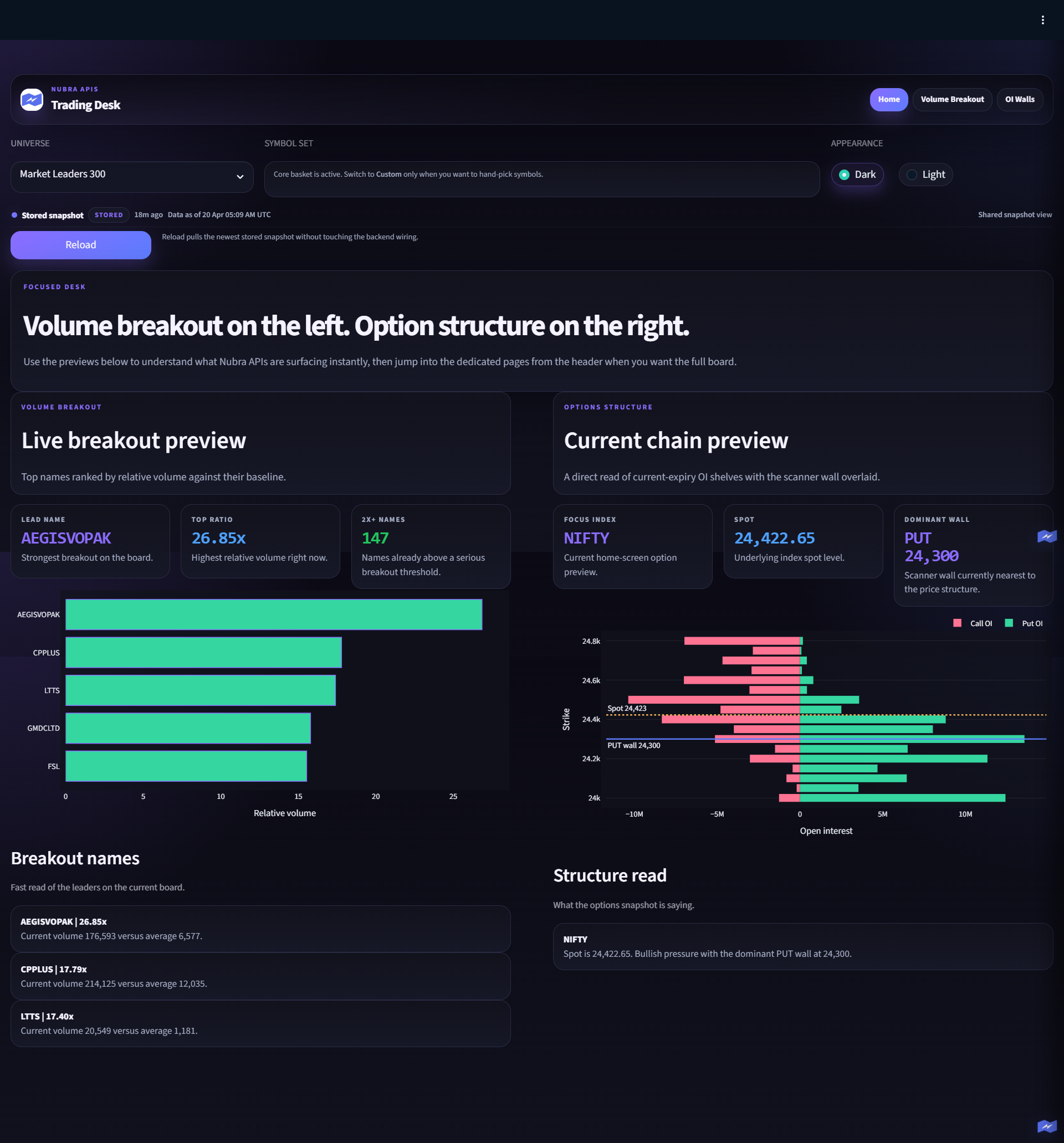
Building a Trading Desk on Nubra APIs: Volume Breakouts, Option Structure, and What Developers Can Build Next
How a Nubra-powered trading desk combines relative-volume breakouts and option-chain structure into a practical product, and what developers can build from the same API surface.
Integrating Nubra API Docs with Codex for Faster, More Reliable Quant Development
A practical guide to using Nubra Master Docs inside Codex so AI agents can generate trading infrastructure with the right SDK context from the start.
Build a Production-Ready EMA Crossover Algo in Minutes with Codex and the Nubra SDK
A developer-focused look at how Codex, grounded with the latest Nubra SDK documentation, can generate a production-ready EMA crossover trading system for the NIFTY 100 in minutes.
Static IP Whitelisting for API Trading: What You Need to Update Before April 1, 2026
A practical guide to static IP whitelisting for API-based trading, why it matters under the new retail algo framework, and how Nubra users can update their whitelisted IPs before April 1, 2026.

Use the Nubra Chrome Extension to Ask, Convert, and Build Faster
A practical walkthrough of the Nubra AI Assistant Chrome extension, including Chat mode, Code Convert mode, and how it helps traders move faster inside real workflows.
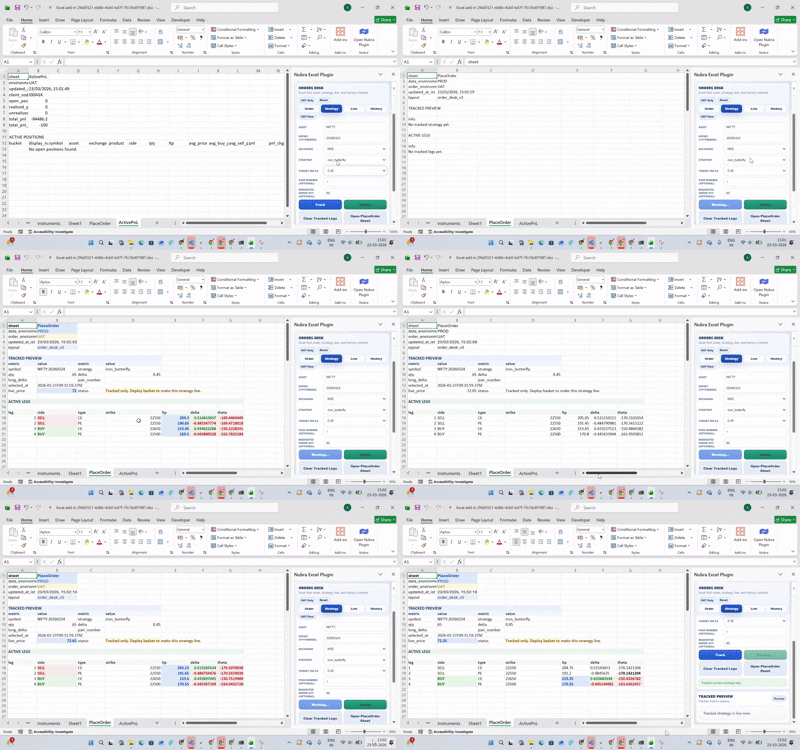
Nubra Excel Plugin: Live Trading Workflows Inside Microsoft Excel
A practical guide to the Nubra Excel Plugin for login, live feeds, candles, positions, and order workflows directly from Excel.
NubraCollector: Stream, View, and Save Realtime Market Data
A practical introduction to NubraCollector, a desktop UI plus Python helper library for logging in, selecting Nubra websocket streams, filtering fields, viewing live tables, and saving market data locally.
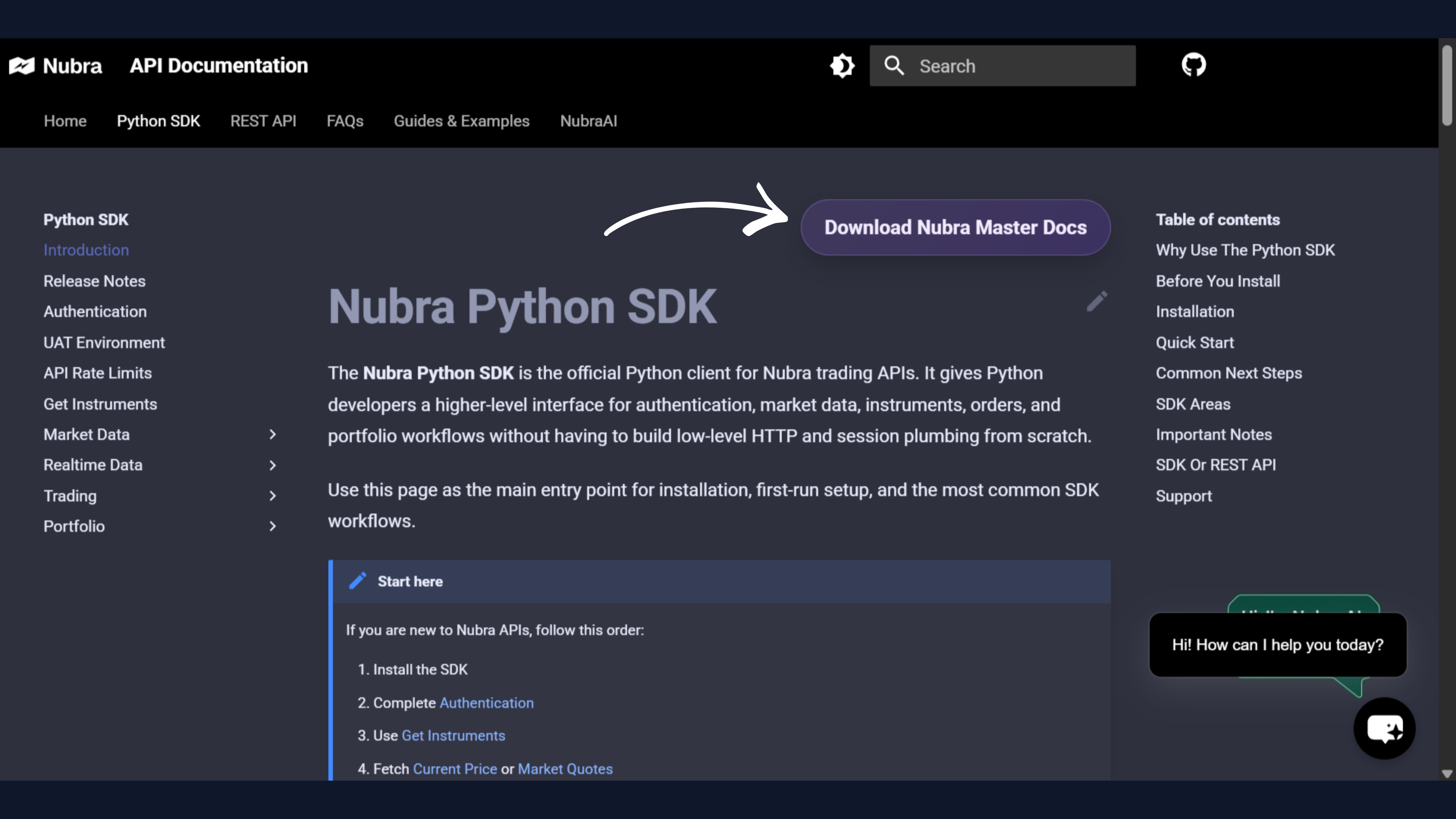
Download the Full Nubra API Docs and Build Faster with AI
Nubra now includes a download button in the docs so users can export the full documentation, feed it into ChatGPT or other AI tools, and build trading algos, dashboards, and workflows faster with lower barriers to entry.
Nubra Engineering
Auto cover
Options Strategies Payload: Simplifying Multi-Leg Execution with Nubra
Options Strategies Payload: Simplifying Multi-Leg Execution with Nubra
Placing multi-leg option strategies through broker APIs is usually tedious because traders must resolve contracts, quantities, and basket pricing manually. This blog explains how Nubra Flexi Orders solve that problem and how the nubra-flexi-payload package makes strategy payload creation much easier.
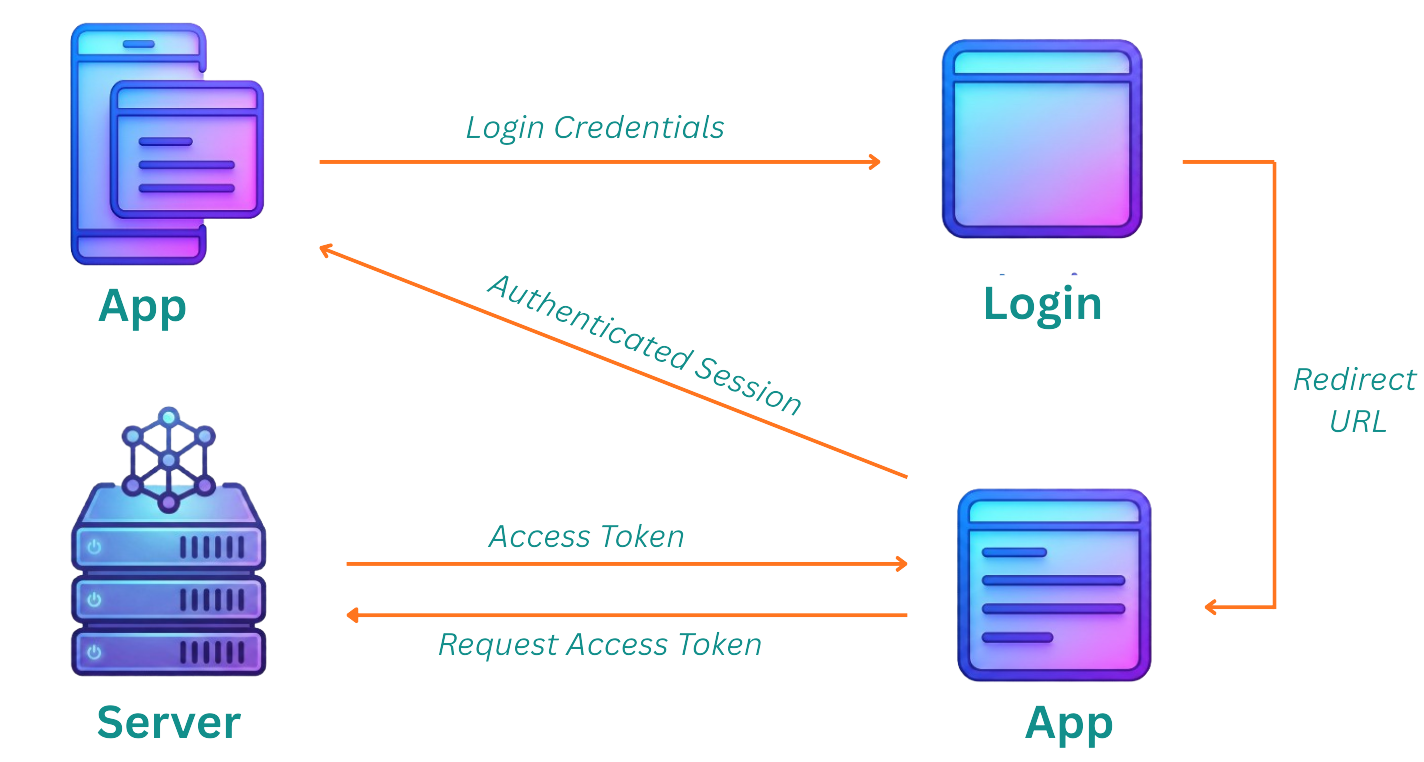
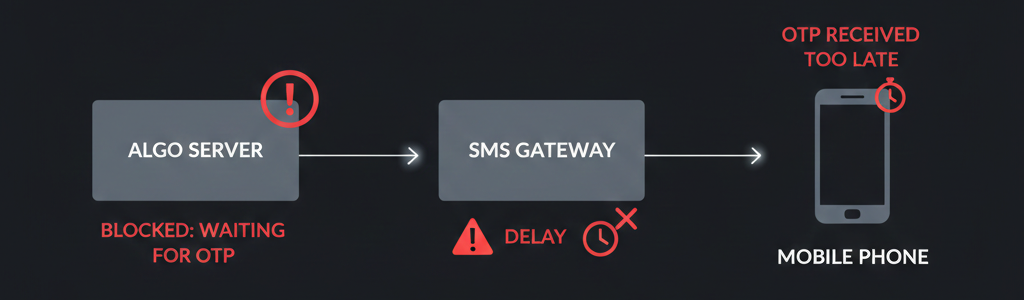
Automated Authentication for Trading APIs: OAuth vs OTP/TOTP
A practical guide to broker authentication patterns and how Nubra enables true automation with phone + OTP/TOTP login flows.
Nubra Engineering
Auto cover
How to Install and Use nubra-talib in Minutes
How to Install and Use nubra-talib in Minutes
A practical guide to installing nubra-talib from TestPyPI, why it matters for strategy builders, and how to use it quickly with simple indicator examples.
How to Integrate Your Broker with Tradetron
A step-by-step guide to connecting and authenticating your broker on Tradetron, from setup to successful login.
Automating TradingView Alerts with Nubra API Using Webhooks
Build a fully automated TradingView to Nubra trading bridge in minutes using webhooks, a lightweight server, and a public HTTPS endpoint.
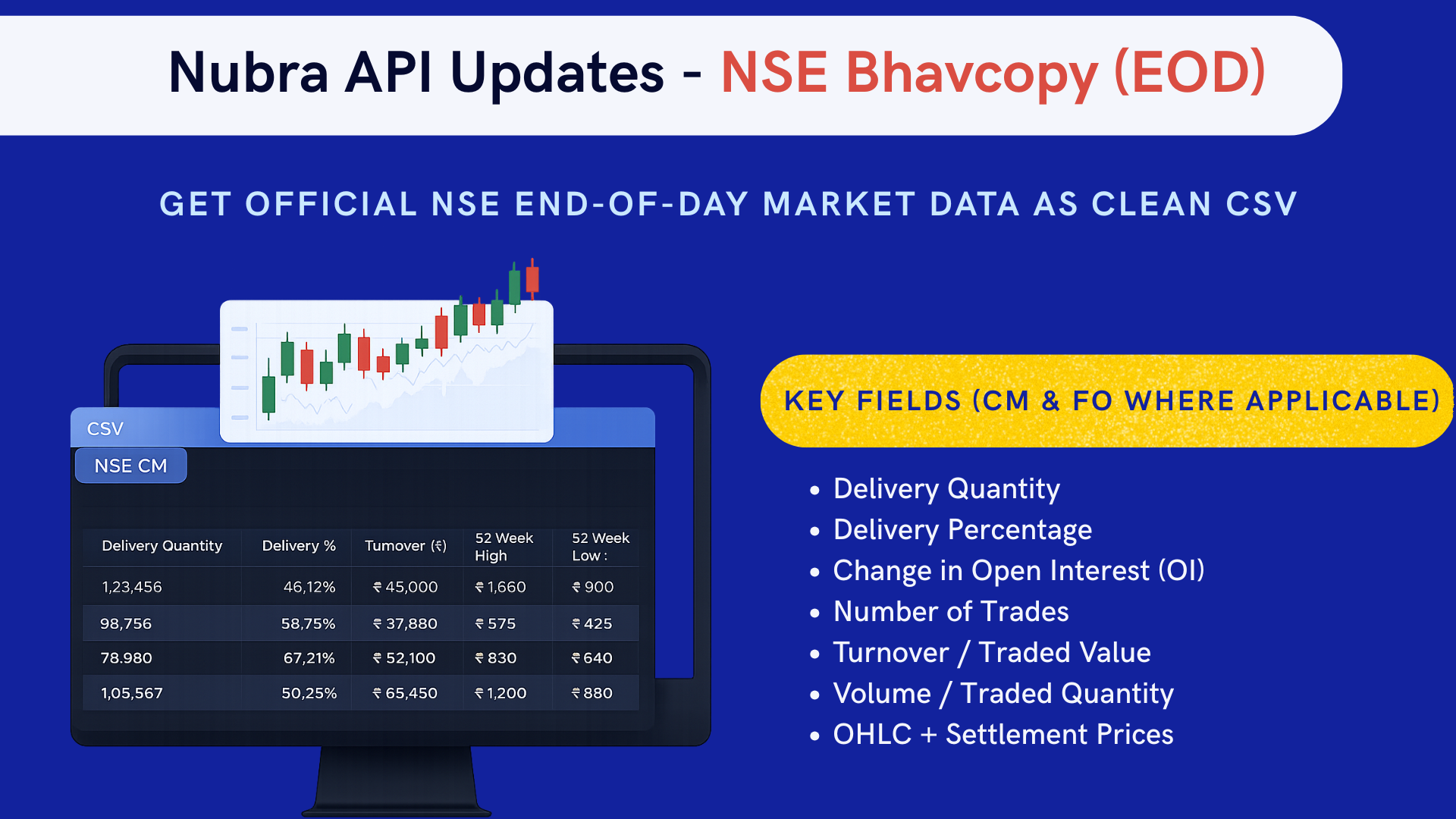
Bhavcopy APIs: The Broker-Grade Backbone of End-of-Day Analysis
What a bhavcopy really is, what it contains, how serious traders use it for delivery, trend, and participation signals, and how brokers should expose it through APIs without misleading clients.
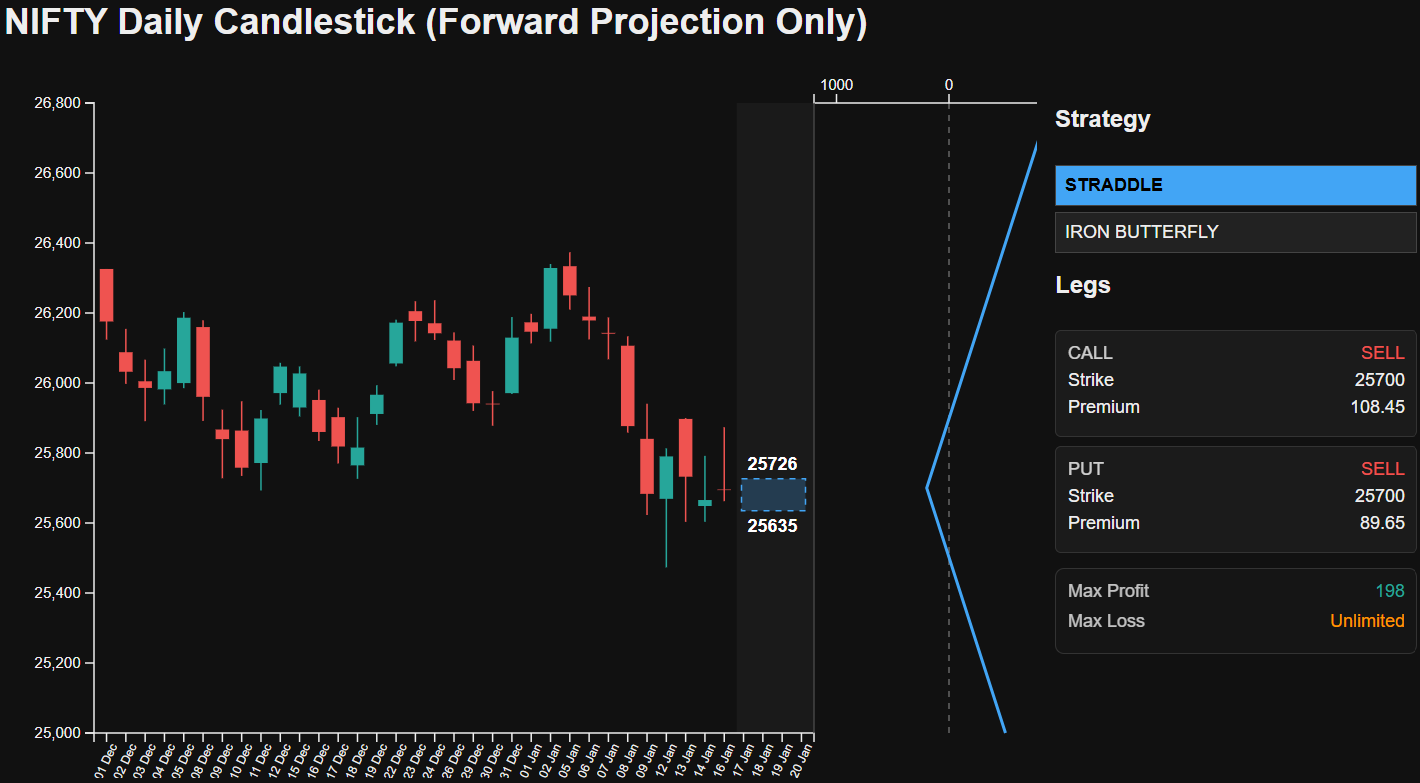
Straddles & Strangles: Volatility Trades That Punish Sloppy Thinking
A serious, practical guide to straddles and strangles, covering why they exist, long vs short variants, ATM vs OTM tradeoffs, IV expectations, and failure modes like IV crush and range traps, with a compact payoff calculator.
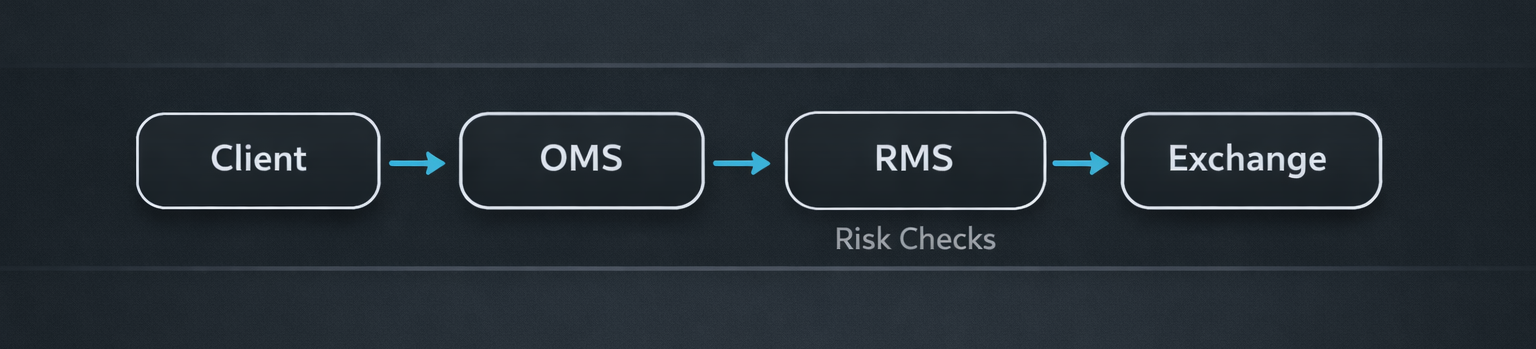
Trading APIs: What Developers Think Happens vs What Brokers Must Actually Do
A practical, broker-centric walkthrough of the order lifecycle from client code to exchange, including OMS, RMS, authentication, controls, and the regulatory misunderstandings that keep causing production incidents.
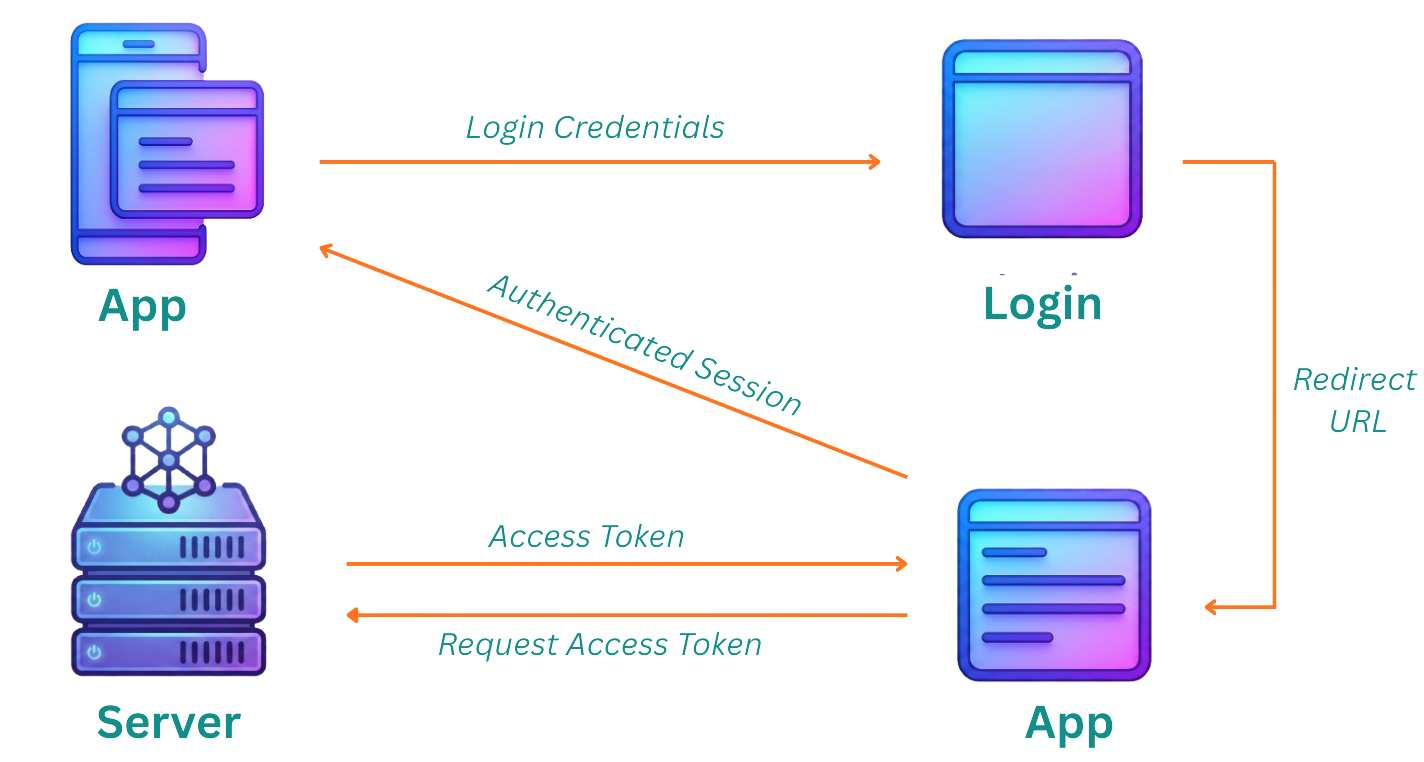
Authentication in Algo Trading: Why True Automation Starts Here
Authentication is the foundation of every algorithmic trading system. This blog explains why secure, predictable authentication matters, how traditional broker flows break automation, and how modern systems are designed for server-first trading.
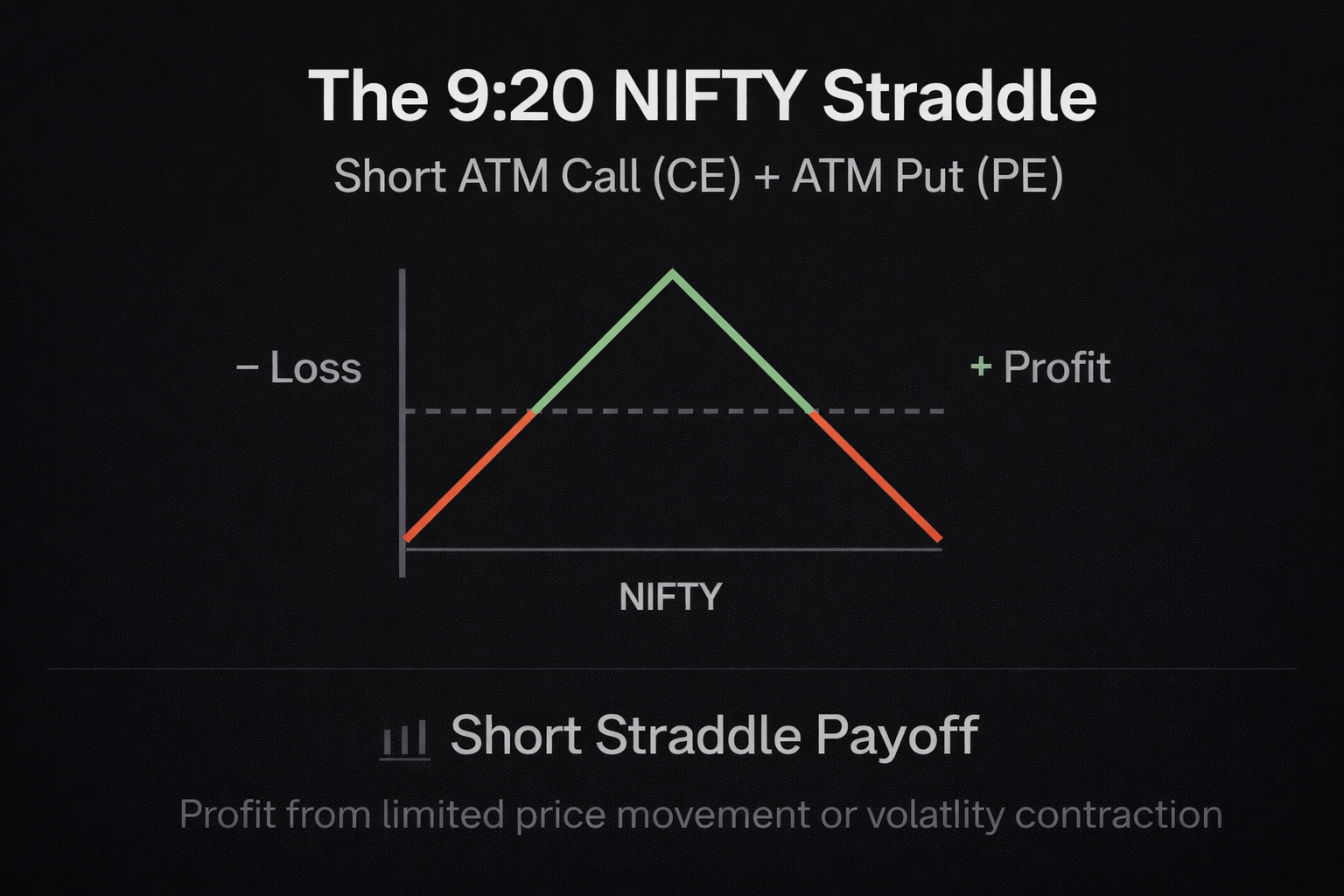
The 9:20 Straddle: A Popular Intraday Options Strategy Explained
The 9:20 straddle is one of the most traded intraday options strategies in India. This blog explains how it works, why traders use it, when it performs well or fails—and how to test or automate it with discipline.
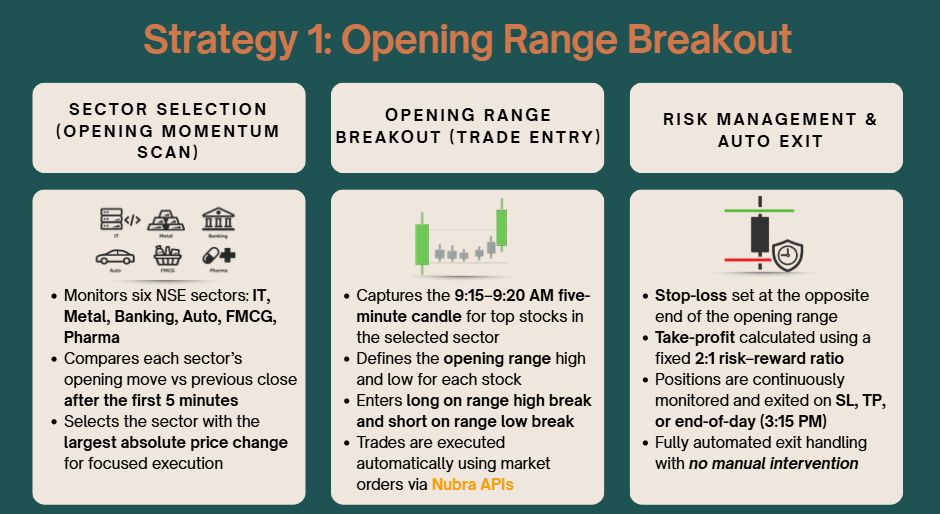
Opening Range Breakout (ORB): A Simple, Rule-Based Intraday Trading Strategy
An educational walkthrough of the Opening Range Breakout (ORB) strategy — how it identifies early market momentum, defines risk clearly, and executes disciplined intraday trades.
Options Strategy Deployment: Short Premium Structures Explained
An educational overview of short premium options strategies — Short Strangle, Iron Condor, and Iron Butterfly — explaining when and why each structure is used.
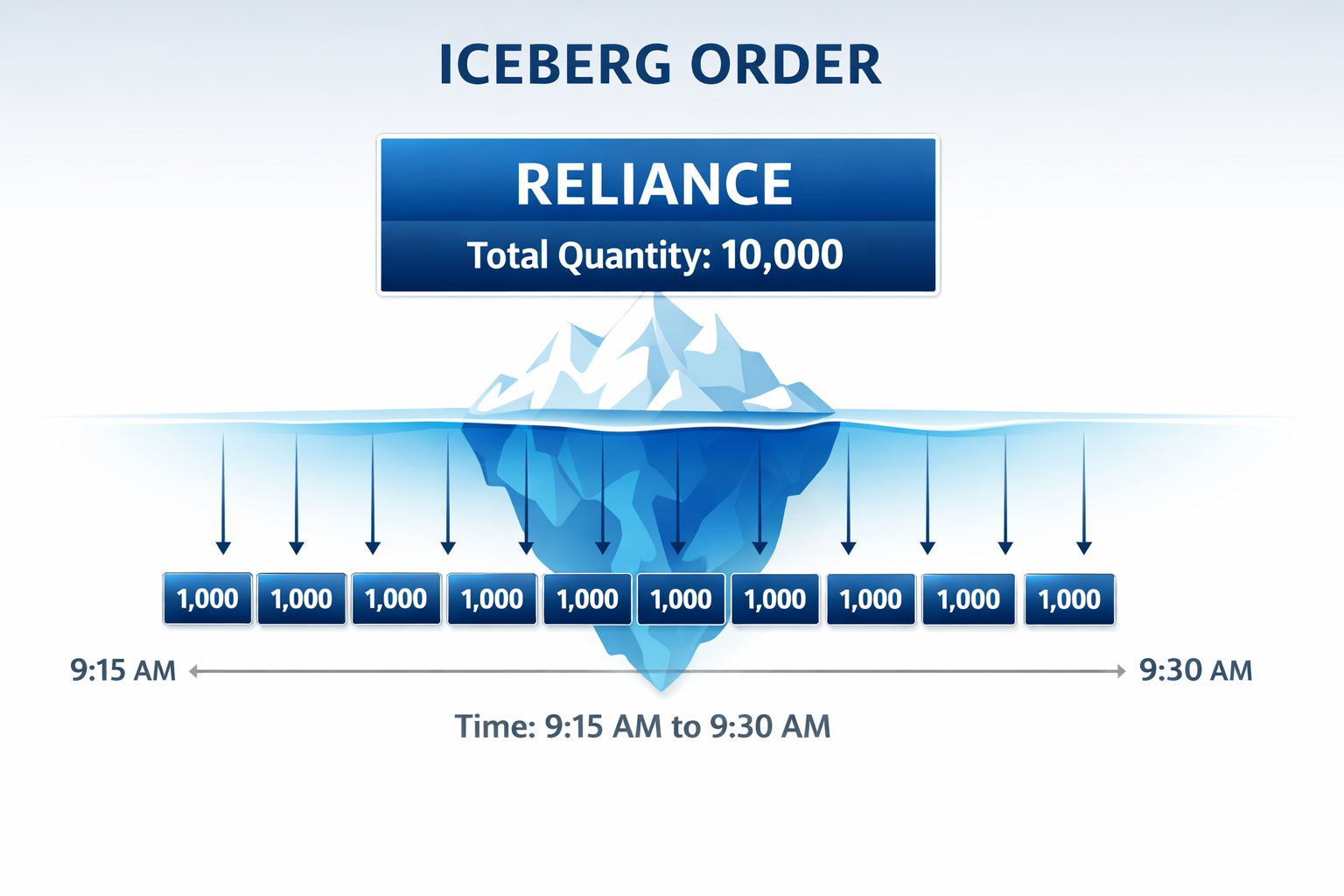
Iceberg Orders: Reduce Signalling Without Pretending You�re Invisible
A broker- and execution-focused guide to Iceberg orders: why they exist, who they help, how they affect price discovery, when they beat TWAP/VWAP, and the common ways traders misuse them.
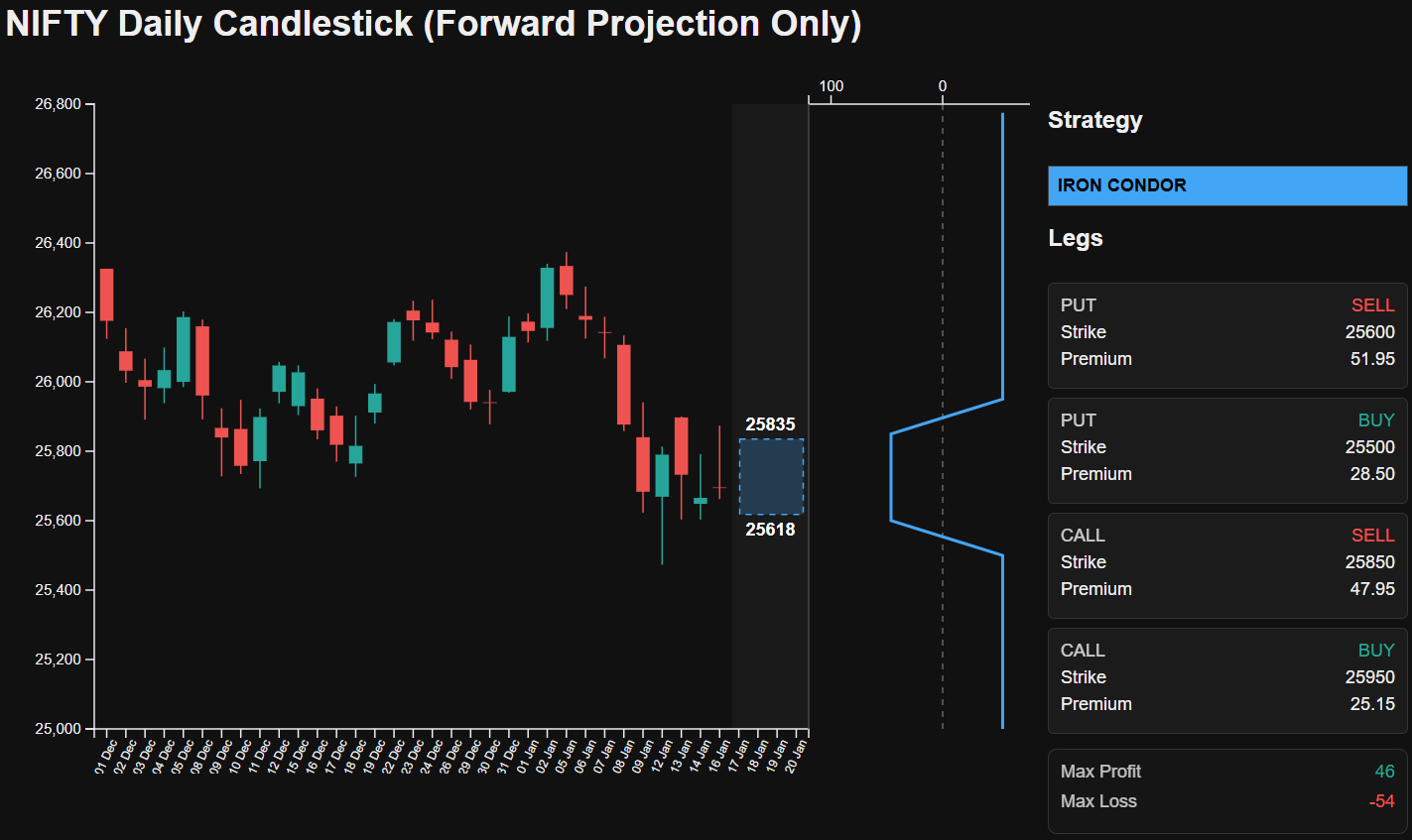
Iron Condor vs Iron Butterfly: Choosing Your Range Trade Like an Adult
A practical comparison of Iron Condors and Iron Butterflies: the market regimes they suit, their structure, payoff math, breakevens, and a compact Python payoff calculator you can actually trust.
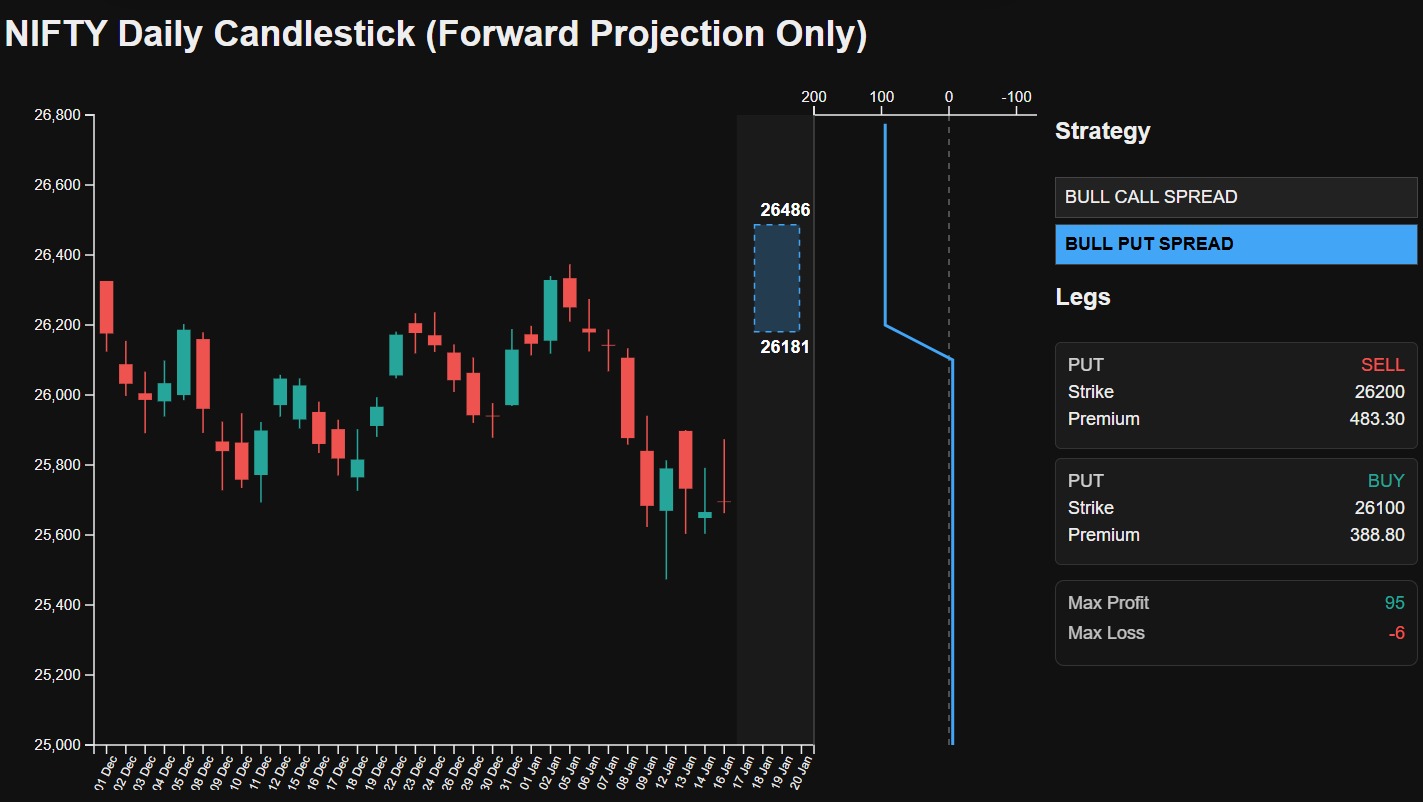
Options Strategies Explained with Interactive Payoff Visuals
Explore popular options strategies through an interactive payoff chart. Visually project price ranges, understand strategy legs, and see how different market views translate into profits and losses.
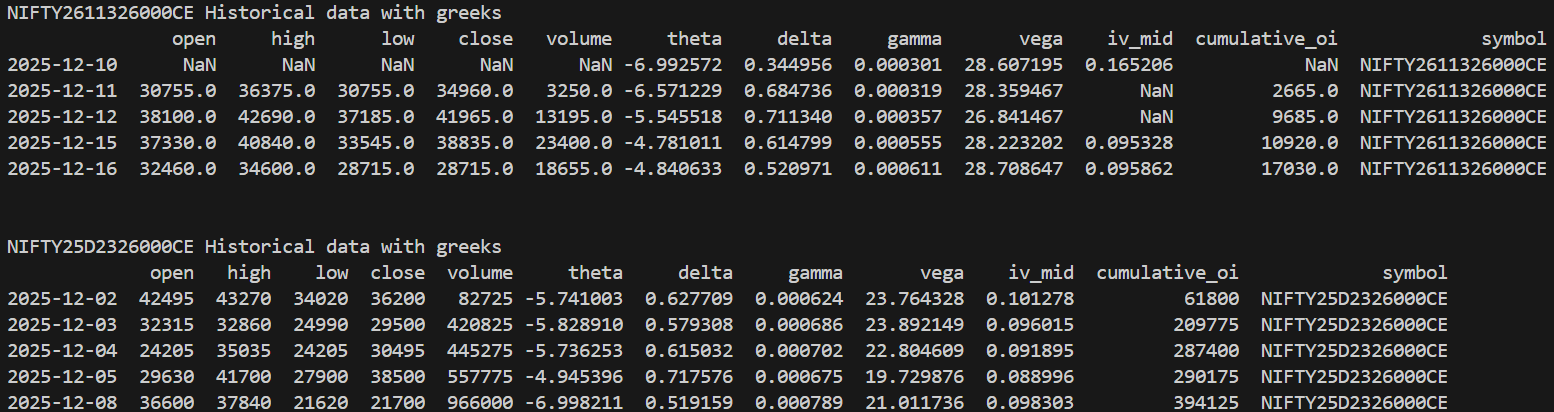
Historical Expired Options Data API: Backtesting with Greeks
Accessing historical data for expired options — including Greeks — is critical for building, validating, and refining robust options trading strategies. This post explains why expired options data matters, how Greeks behave into expiry, and how you can fetch historical expired option Greeks using Nubra’s API.

What Is Algo Trading and How It’s Changing the Way India Trades
Algo trading now powers over 57% of equity cash and 70% of derivatives trades in India. This blog explains how it works, why retail traders are adopting it fast, and compares building your own algorithm in Python with ready-made platforms.
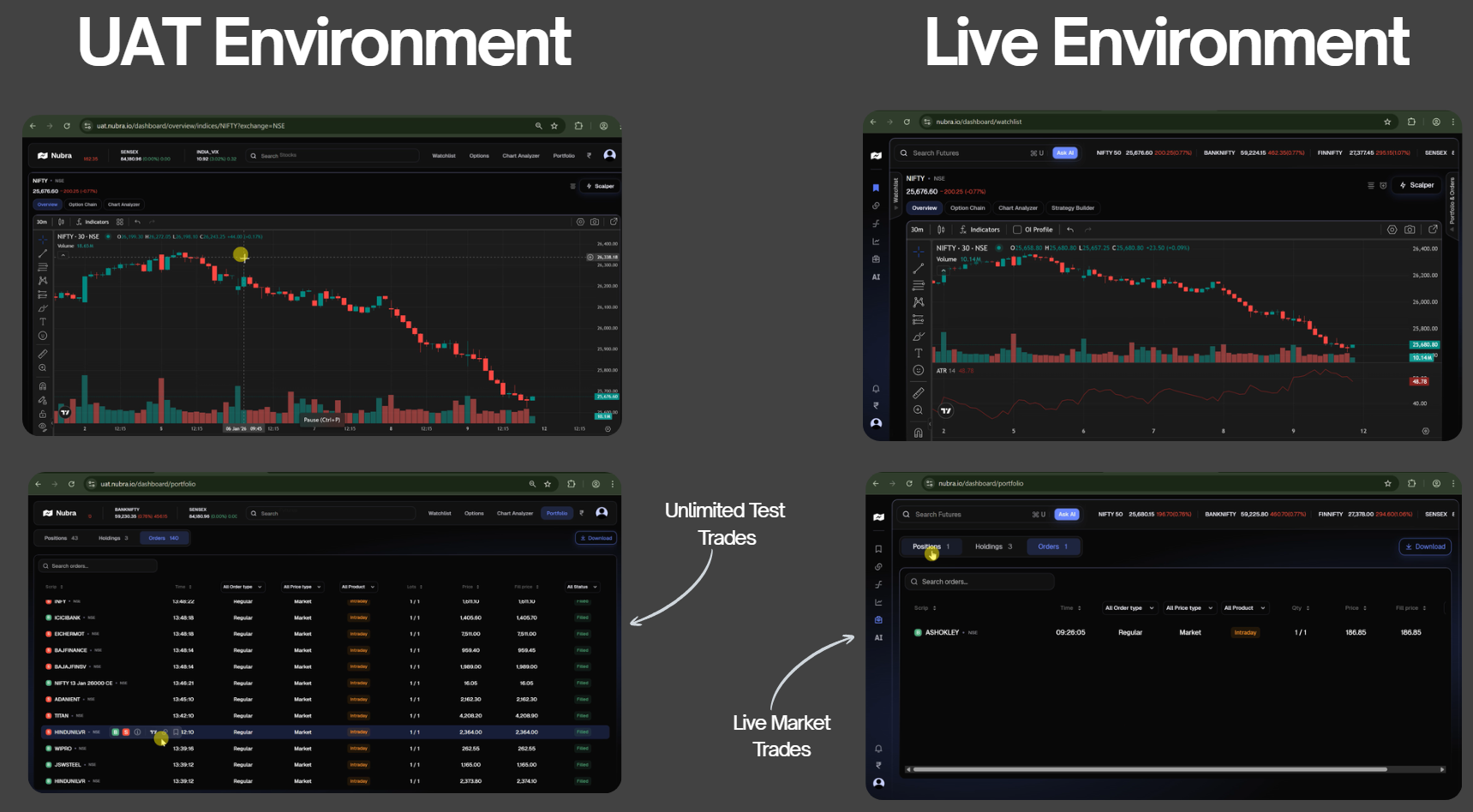
What Is UAT and How to Use It at Nubra
Nubra’s UAT environment lets you test your trading strategies in real-time without using real money. This post explains how UAT works, how it's different from the live environment, and how you can test high-frequency strategies with up to 100 orders per second (OPS).
Nubra Engineering
Auto cover
Brokerage Is the Strategy: Why Trading Costs Decide Long-Term Profitability
Brokerage Is the Strategy: Why Trading Costs Decide Long-Term Profitability
A cost-first look at how brokerage quietly compounds over time, why traditional per-order pricing hurts active traders, and how volume-based brokerage aligns better with real trading behavior.
Latency Is the Strategy: Why Speed Wins in Algo Trading APIs
An infrastructure-first look at why latency—not features—defines real-world performance in algorithmic trading APIs, and how execution speed shapes strategy outcomes.
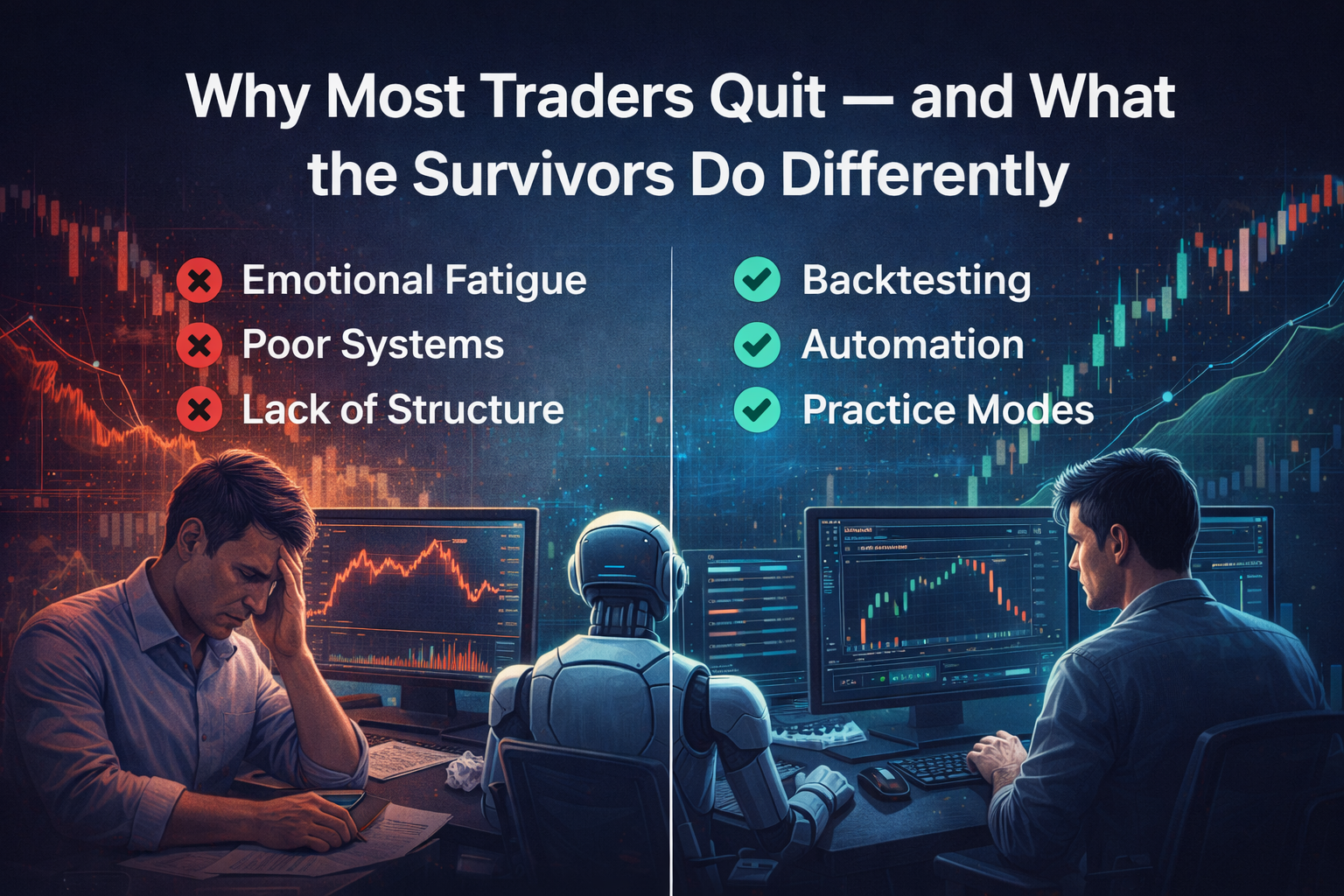
Why Most Traders Quit — and What the Survivors Do Differently
Trading attracts thousands, but only a few stick around long enough to succeed. This blog explores the common reasons most traders quit and the systems that help survivors stay consistent—backtesting, automation, UAT, and structure.
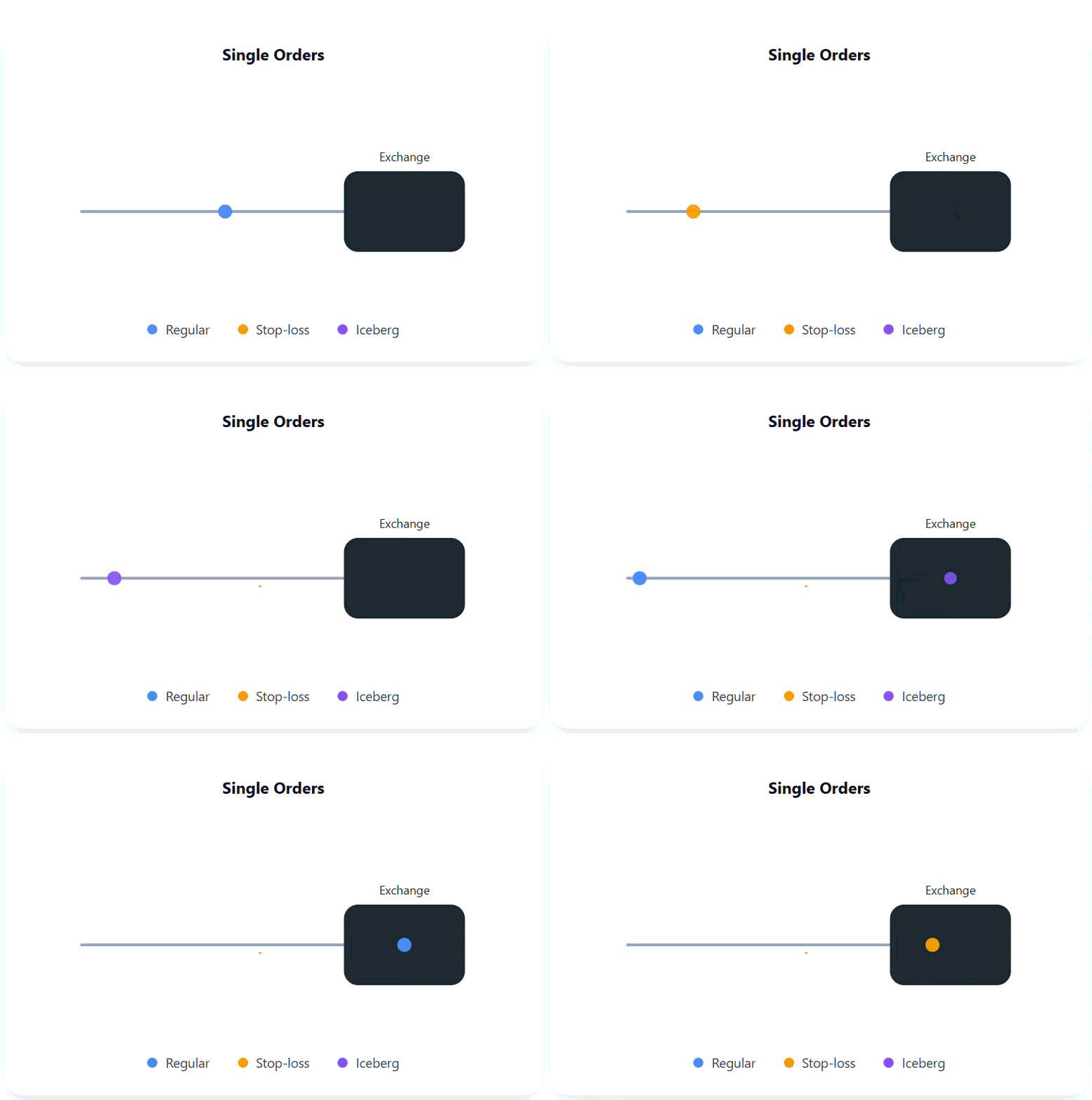
Why One “Place Order” Is Not Enough
Placing an order is only the starting point in algorithmic trading. This article explains why real-world execution requires order lifecycle management, validations, risk checks, retries, modifications, cancellations, and post-trade tracking.
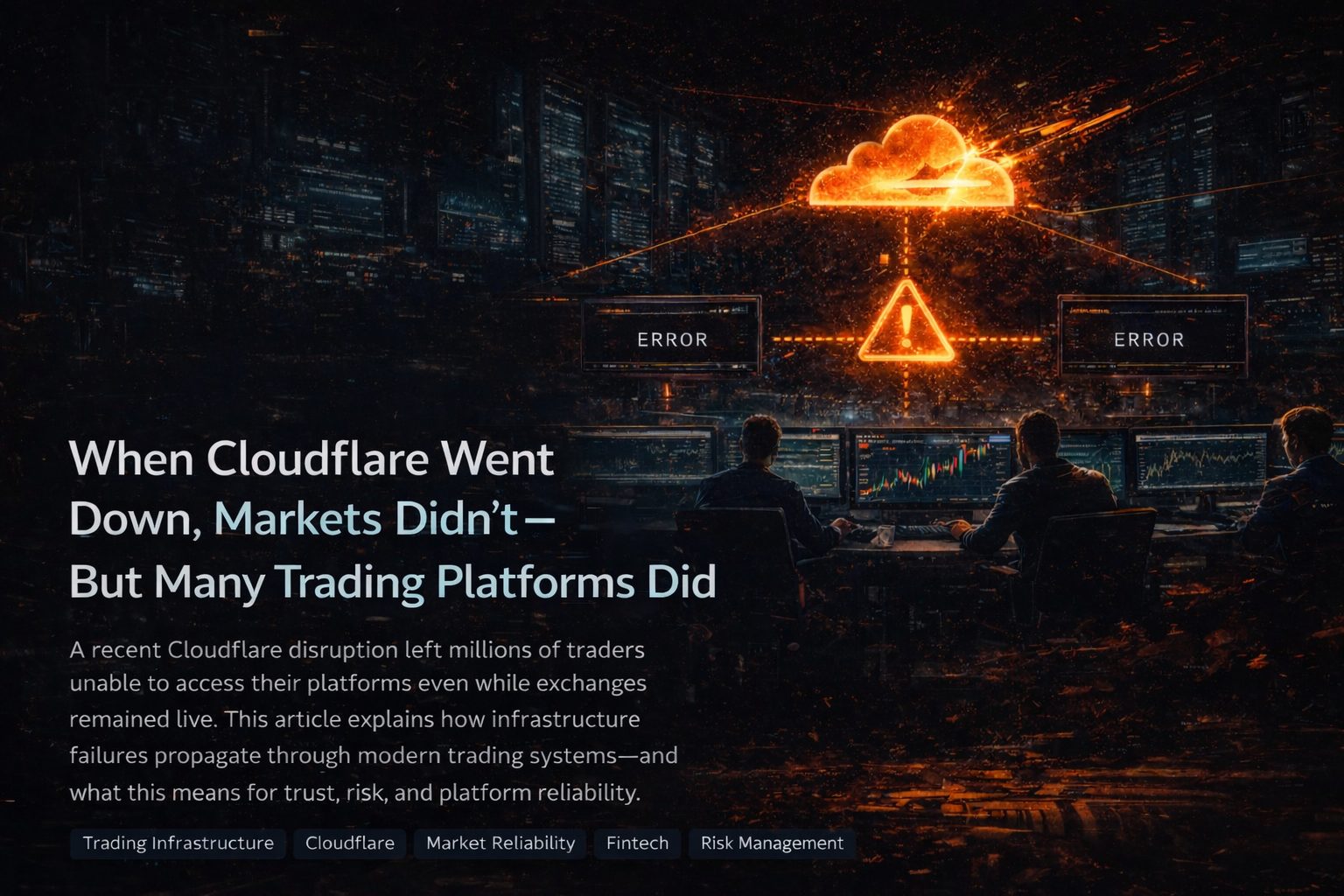
When Cloudflare Went Down, Markets Didn’t — But Many Trading Platforms Did
A recent Cloudflare disruption left millions of traders unable to access their platforms even while exchanges remained live. This article explains how infrastructure failures propagate through modern trading systems — and what this means for trust, risk, and platform reliability.
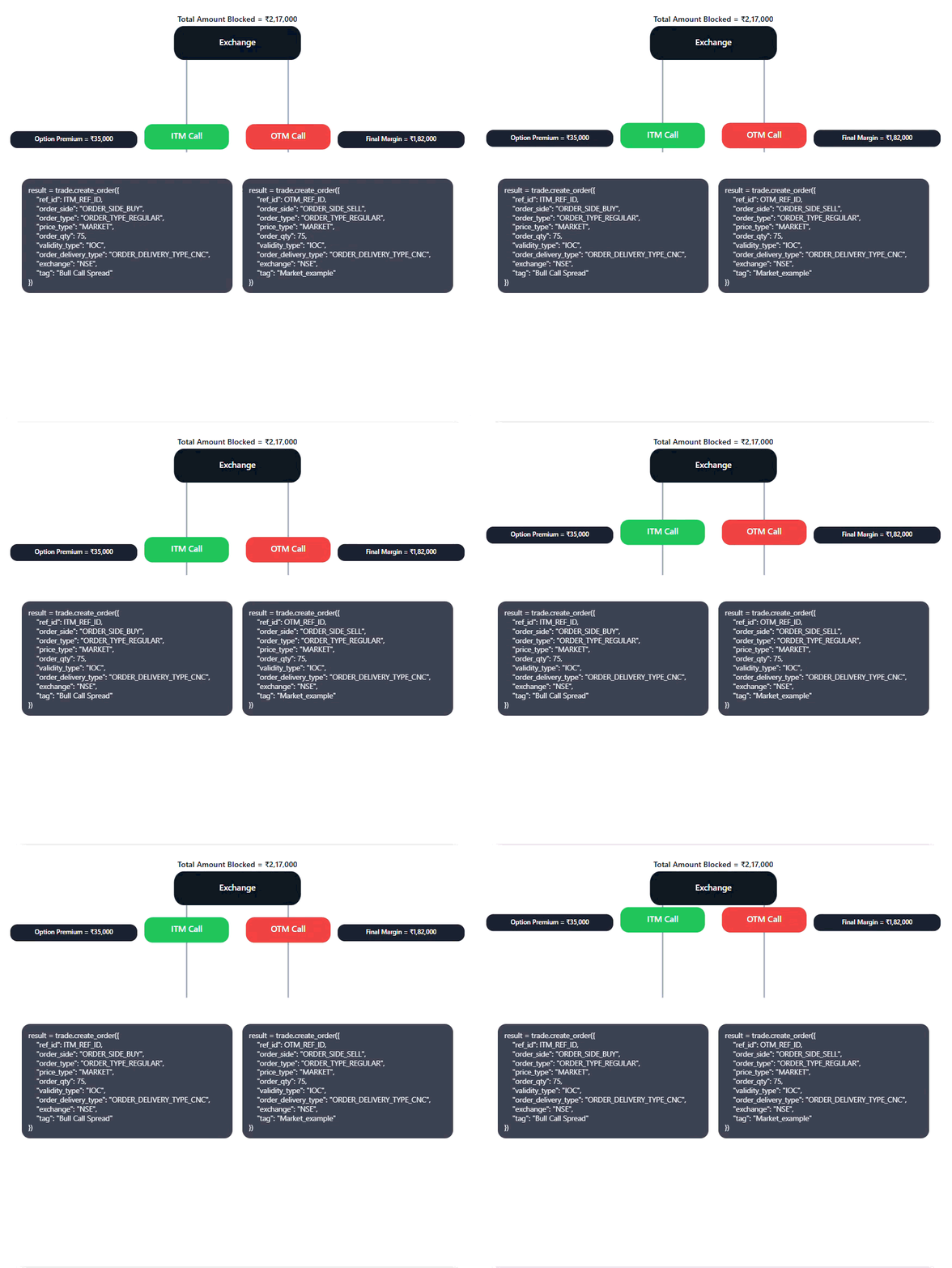
Why Margin Is Not Just a Number
Margin in trading is a dynamic risk construct, not a static balance. This article explains how margins change with positions, hedges, volatility, and order intent—and why misunderstanding margin is one of the most common causes of order rejections and forced exits.
5-Minute Python Quickstart with Nubra SDK
Get up and running with Nubra’s Python SDK in just 5 minutes. Learn how to authenticate, place your first order, and start trading using Nubra APIs.
Part 1: Building a Live Market Data Pipeline for Algorithmic Trading (Python + SQL)
Learn how to build a production-grade real-time market data pipeline using Python, WebSockets, and SQLite. This guide covers live tick streaming, persistent storage, and OHLC candle generation as the foundation for algorithmic trading.
Part 2: From Strategy Idea to Live Orders — LLM-Driven Algorithmic Trading
Learn how to generate, deploy, and execute algorithmic trading strategies using LLMs. This guide shows how natural-language strategies are converted into Python functions and executed live using Nubra’s trading engine.
Why Delta Strategies Matter for Serious FnO Traders, and How Nubra APIs Deliver Delta in Real Time
Delta is foundational to serious FnO trading, but calculating it accurately and keeping it updated in real time is difficult. Learn how Nubra APIs provide live delta along with the full Greeks stack for faster analysis, monitoring, and strategy building.
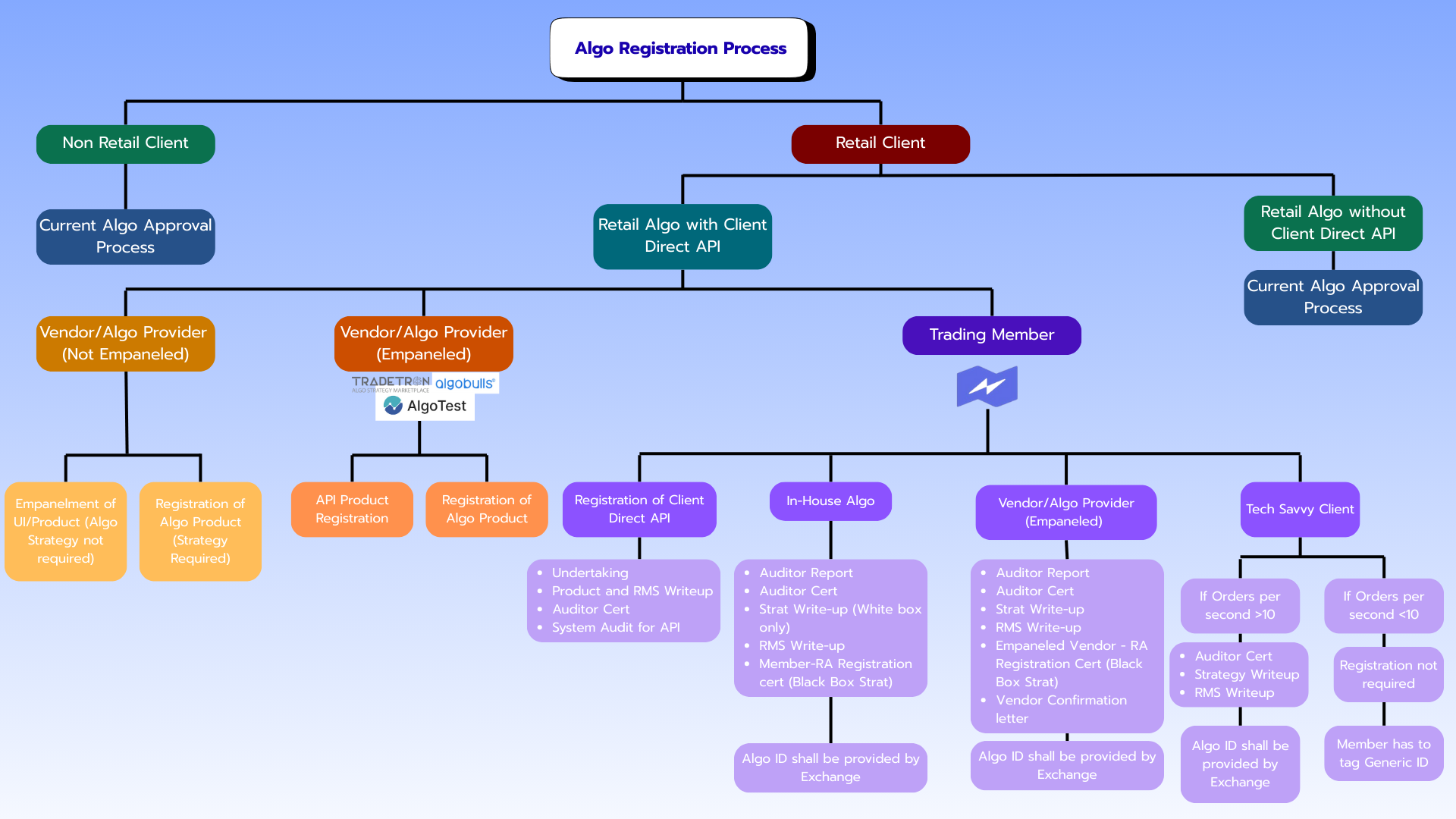
SEBI Regulations on API-Based Trading & Retail Algo Approvals
A practical guide to SEBI’s retail algo framework, covering API-based trading rules, algo approvals, OPS limits, White Box vs Black Box classification, and broker responsibilities.

Our Nubra Authentication That Doesn't Break in Production
A developer-first guide to our staged auth model: OTP, MPIN, optional TOTP, and device binding with the exact headers and tokens that matter.
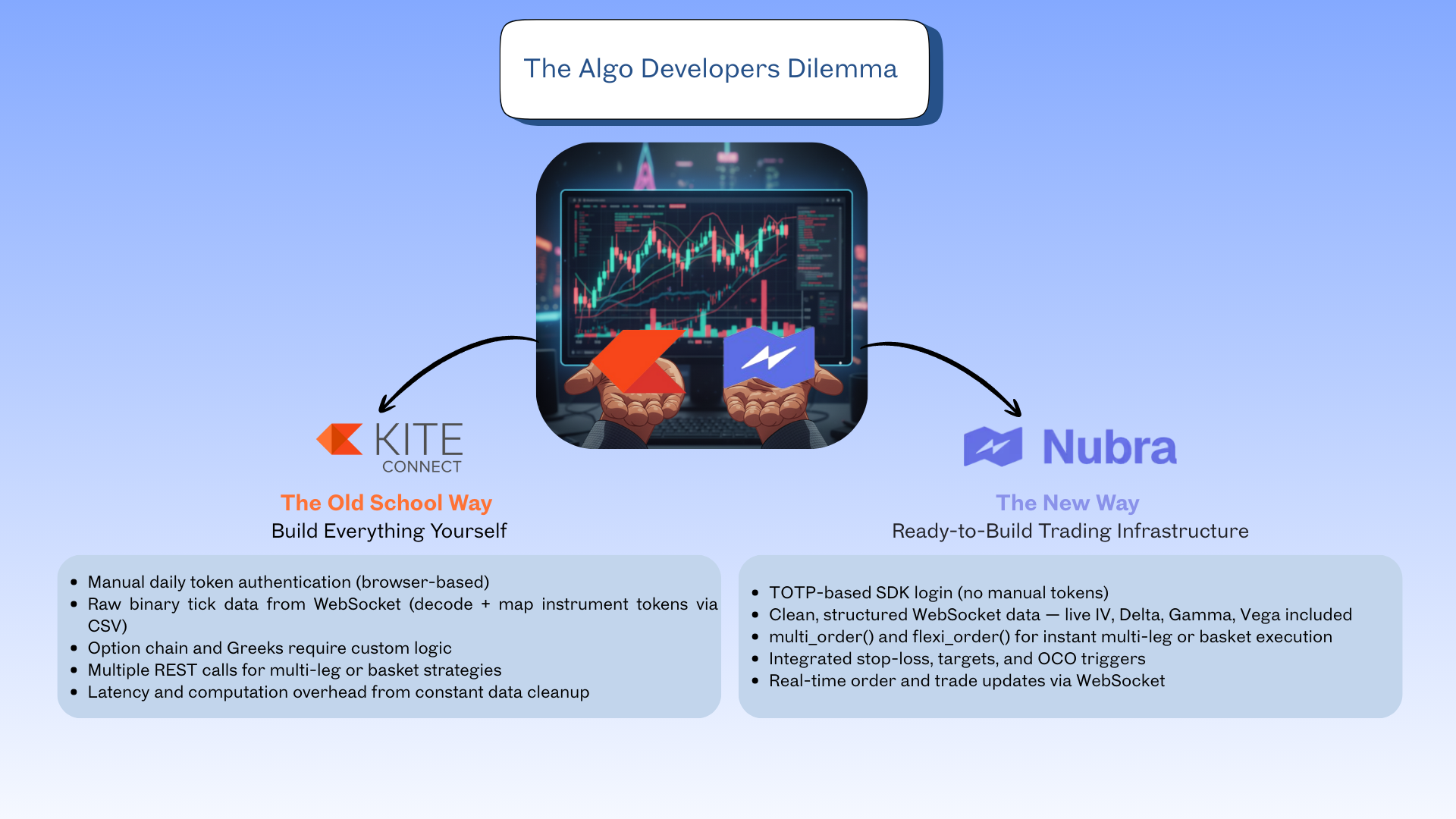
The Algo Trader’s Dilemma: Nubra API vs Zerodha API
A practical comparison of Nubra and Zerodha APIs from an algo trader’s perspective—covering execution models, API capabilities, compliance, scalability, and real-world trading workflows.
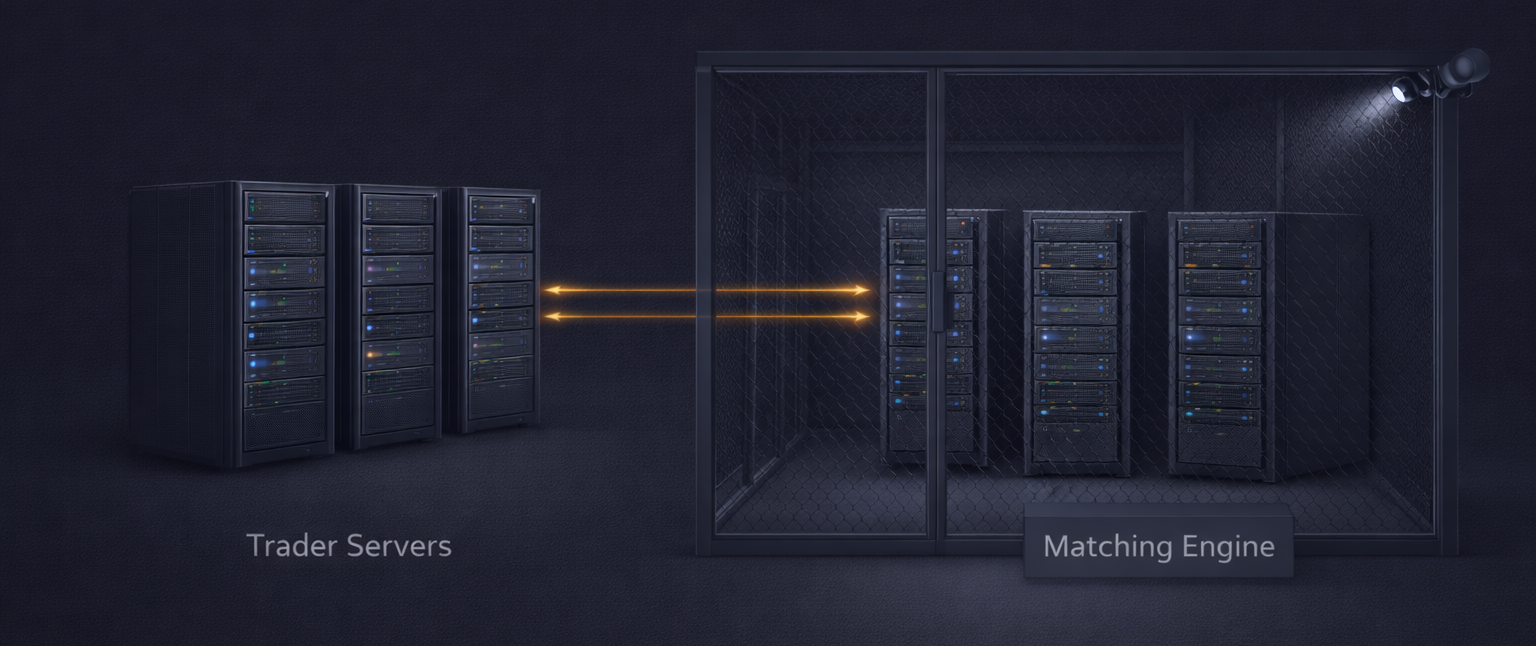
exchange-colocation-order-book-infrastructure
getting-started-with-nubra-api-video-first-guide

Code Switching: Other brokers to Nubra for Common Trading APIs
Side-by-side Python examples for switching from Zerodha Kite Connect to Nubra SDK: market orders, historical candles, and realtime streams.
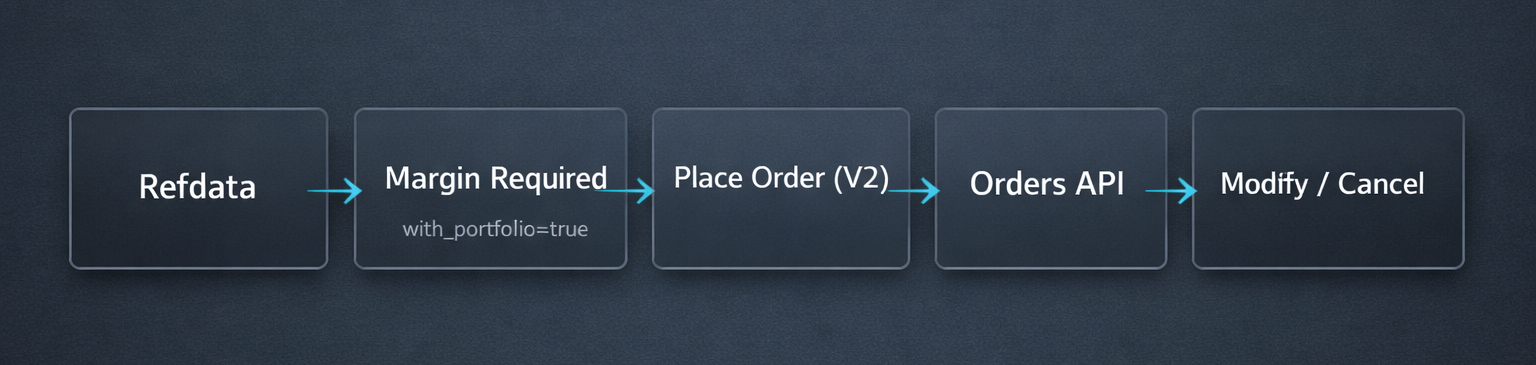
Our Safe Order Lifecycle: Refdata ? Margin ? Place ? Observe ? Modify/Cancel
A practical order lifecycle for real trading systems using our Trading V2 APIs, including refdata resolution, margin estimation rules, and order-state handling.
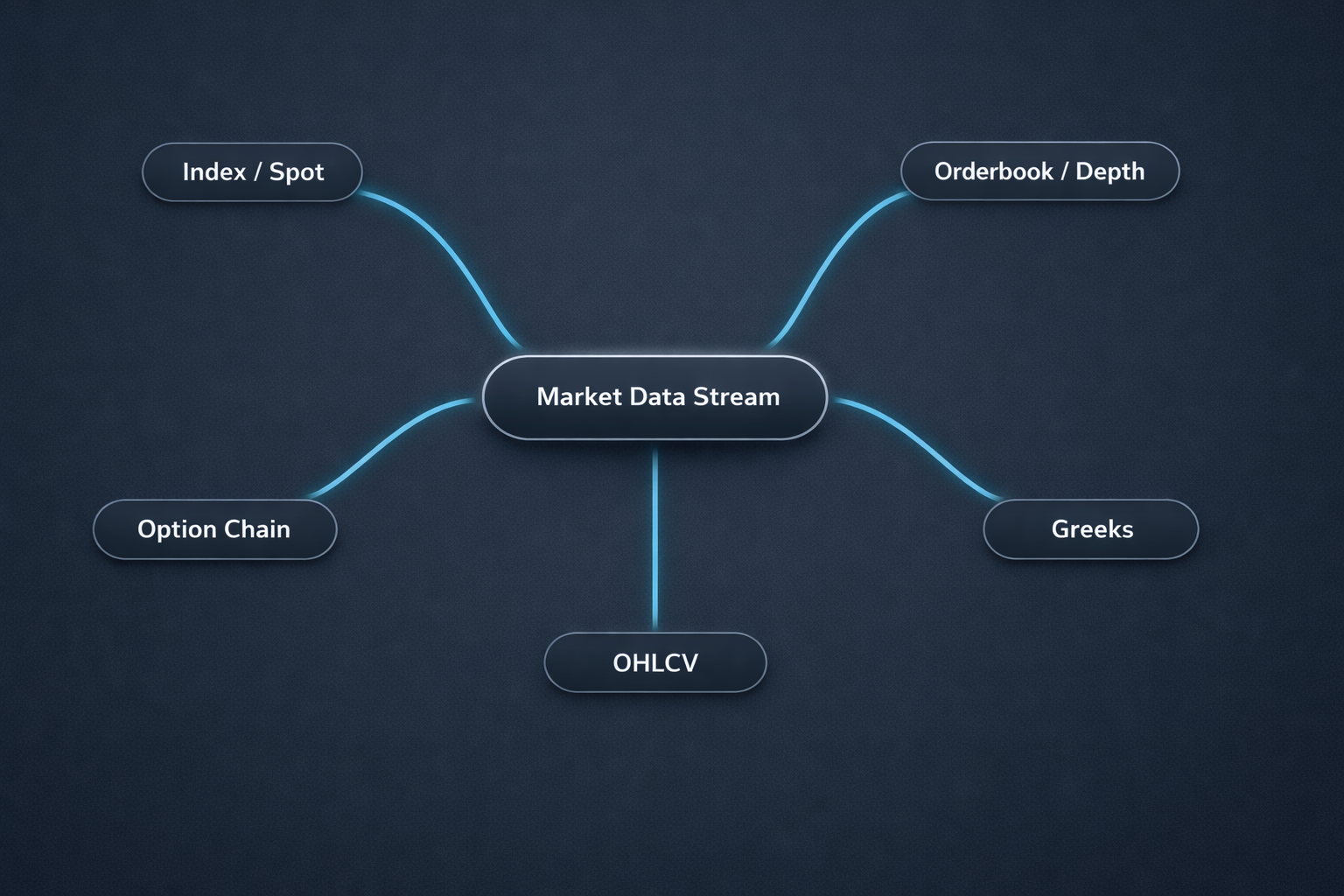
Our WebSockets in Practice: Stream Types, Payload Shapes, and Weight Budgets
A developer-facing guide to our realtime market data streams via the Python SDK: what to subscribe to, what you�ll receive, and how to stay inside our weight limits.
Realtime Market Data & WebSockets: What �Realtime� Really Means in Practice
A practical explanation of realtime feeds, the difference between ticks, quotes, depth, and order updates, how WebSockets behave conceptually, and how to use broker streams responsibly for UIs, algos, and monitoring.
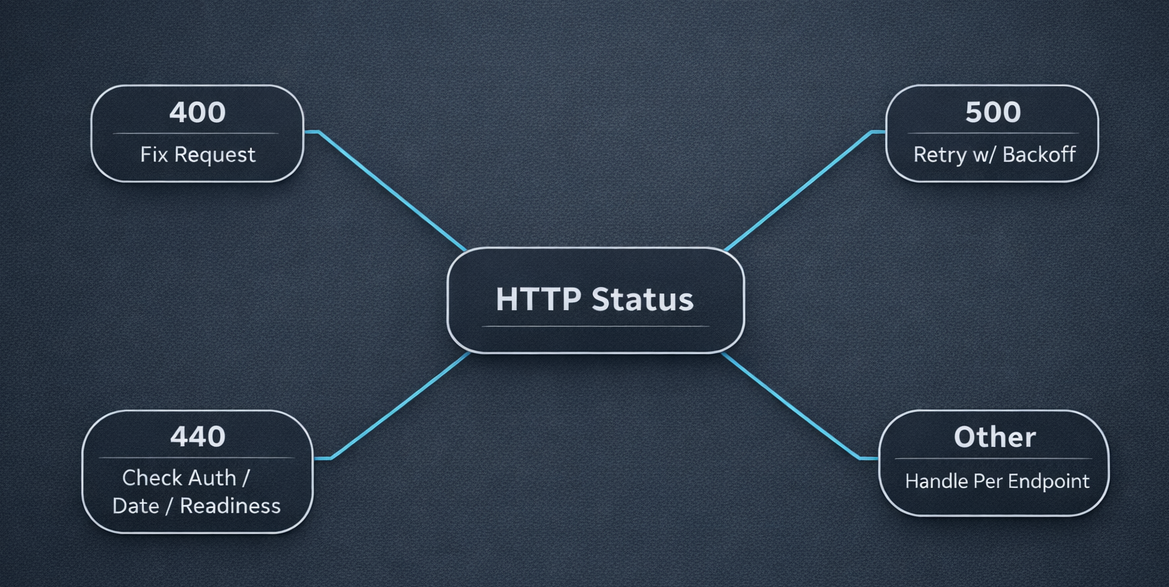
Our API Failures You Can Predict: Error Shapes, 400 vs 500 vs 440, and Rate-Limit-Safe Retries
A practical error-handling and retry guide based on our error schema, status codes, bhavcopy behavior, and rate limit guidance.

nubra-mcp-server